Maydi Newsletter: March 2026
Hi everyone, and welcome back to the Maydi newsletter.
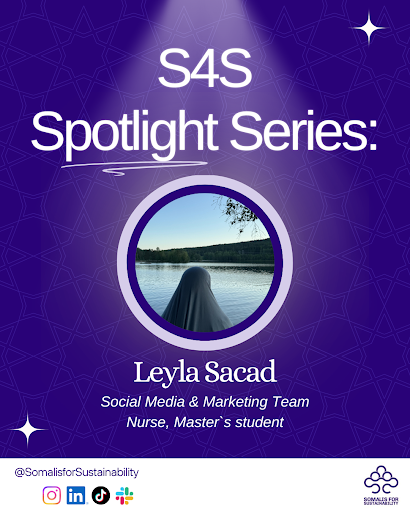
I hope all who celebrate had a joyful Eid and are easing back into their routines after a blessed month of Ramadan. Over this period, S4S stayed closely connected with the wider community. We co-hosted a webinar with Somali Youth4Youth exploring what engagement looks like today, held the Green Nomad Iftar in collaboration with Seven Nomads, and marked International Women’s Day by sharing the inspiring stories of Ibtisam Mohamed and Amina Ahmed. All proceeds from these events went directly toward supporting water projects.
As always, we hope you enjoy this month’s edition and find our insights both engaging and valuable.
S4S News
Women Driving Change 💪: Reflections from the Horn of Africa Dialogue Series
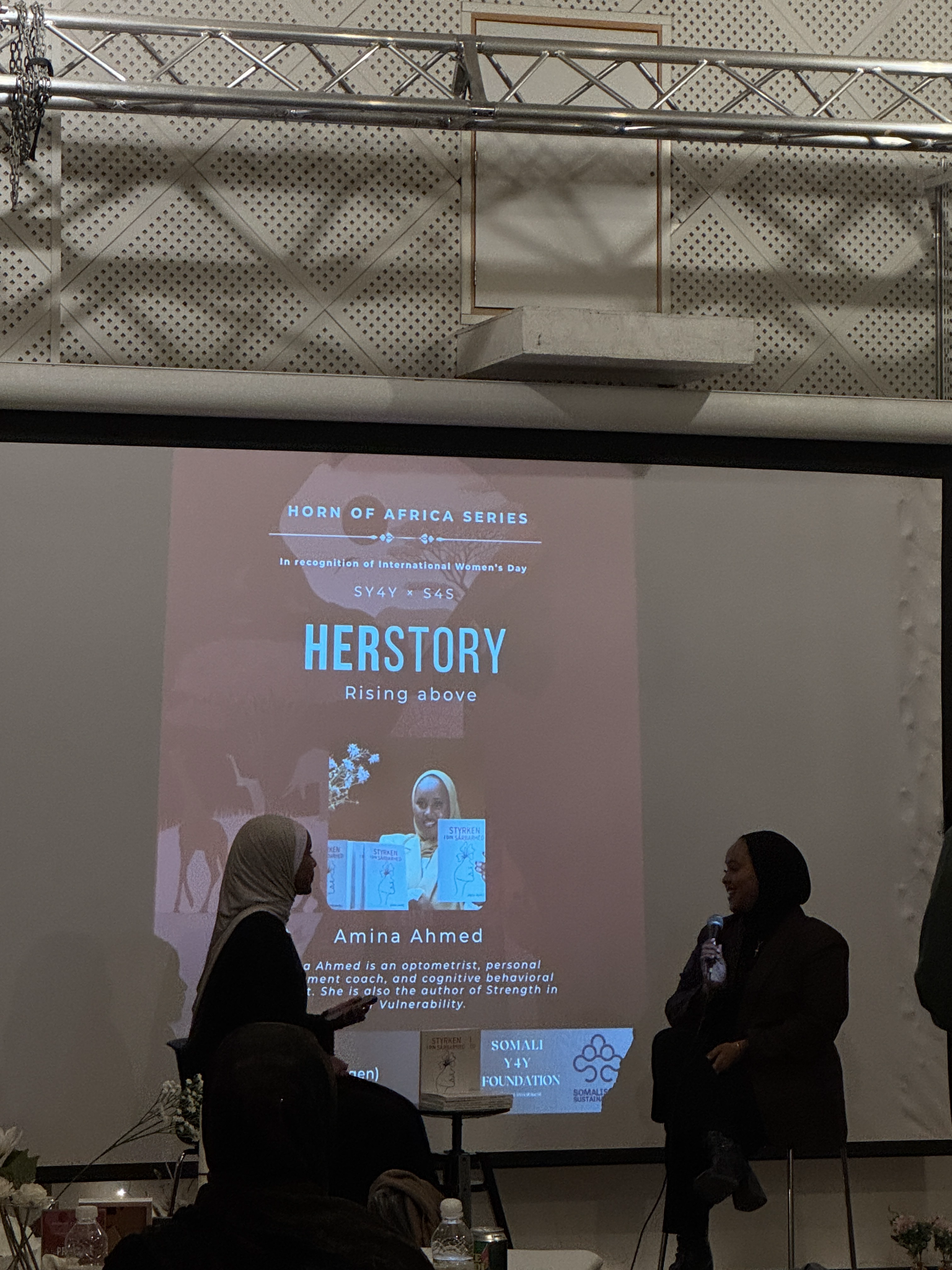
On Sunday the 22nd of March, S4S had the opportunity of co-hosting the second part of the Horn of Africa Dialogue Series that we have with Somali Youth for Youth from Denmark. The theme for this month was “women and social change” and that was reflected in the panellists that were chosen to share their stories.
Ibtisam was the first guest and shared her story of being a mother, social worker and living with multiple sclerosis. One of the things she spoke about is the importance of community, of asking each other how we’re really doing and responding truthfully if we’re not doing well.
Amina, the second guest, also spoke about a range of different topics related to her work as a personal development coach and cognitive behavioural therapist, to name a few. One of the highlights of her talk was related to mental health and how important it is to take it seriously as it is just as important as our physical health.
All in all, it was an evening filled with collective and individual reflections on womanhood and the role we play in shaping society and creating a lasting impact together.
We look forward to continuing with the Horn of Africa Dialogue Series!
What is the latest in the Horn?
Crisis in Context 🌍: Climate, Conflict, and Hunger in Somalia
Somalia is facing a deepening humanitarian crisis shaped by the combined pressures of climate shocks and an increasingly unstable global political environment.
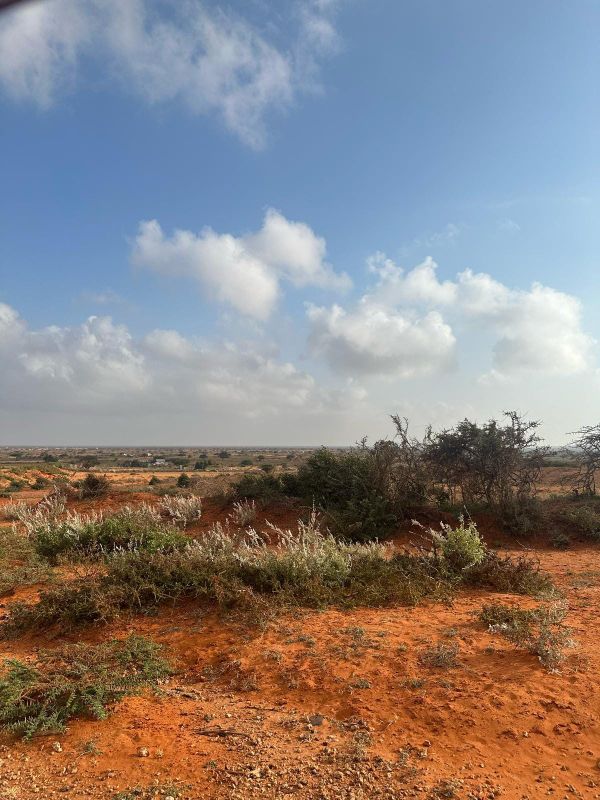
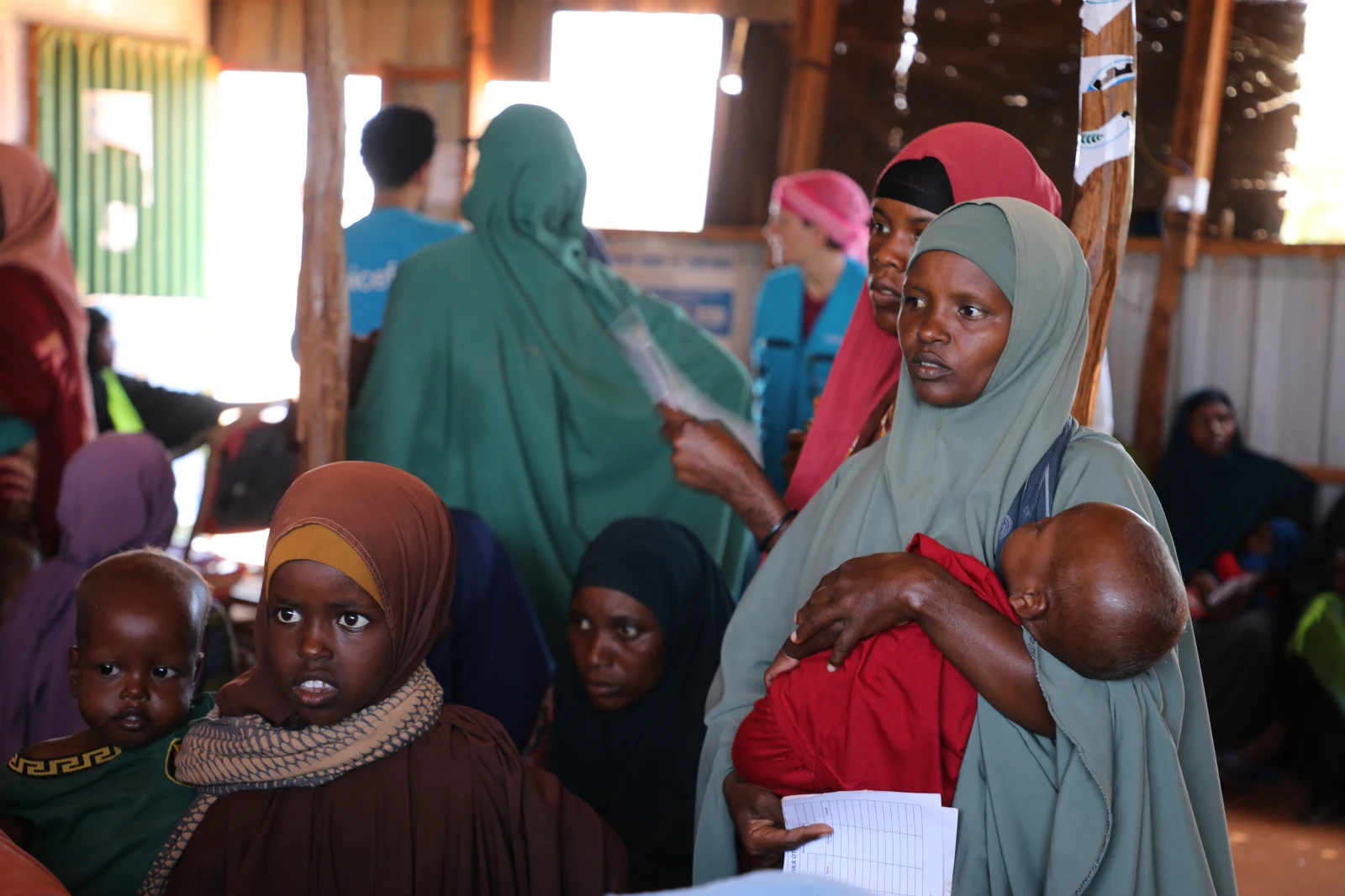
Recent reporting indicates that around 6.5 million people, nearly one in three Somalis, are experiencing acute hunger following successive failed rainy seasons. Prolonged drought has devastated crops, killed livestock, and drained water sources, forcing families from rural areas into overcrowded displacement camps. Food prices have risen while incomes have collapsed, leaving many households unable to meet even basic needs. Children are among the hardest hit, with malnutrition rates rising sharply and long term health risks increasing.
At the same time, the global political climate is compounding the crisis. Ongoing international conflicts, including tensions involving Iran, are disrupting fuel supplies and global shipping routes. This has significantly increased the cost of transporting humanitarian aid into Somalia. In some cases, delivery costs have surged dramatically, slowing or limiting the flow of food, medicine, and other essential supplies.
Equally concerning is a decline in international funding. Major donors are redirecting resources toward other geopolitical priorities, resulting in reduced humanitarian budgets for Somalia. This has already led to the closure or scaling back of critical services, including nutrition centres and health facilities that support the most vulnerable populations. As a result, millions, particularly children, face reduced access to life saving assistance at a time when needs are intensifying.
The interaction between these factors highlights a broader pattern. Somalia’s crisis is not only environmental but also systemic. Climate driven drought has weakened the country’s food systems, but global political instability is magnifying the impact by constraining aid and increasing costs. Events far beyond Somalia’s borders are directly influencing whether food reaches communities in need.
For the Somali population, the implications are severe. In the short term, hunger and malnutrition are expected to worsen as aid becomes less reliable. In the longer term, rising poverty, displacement, and dependency on external support risk becoming entrenched. Without sustained and coordinated international engagement, recovery will remain fragile.
This situation underscores how interconnected global crises have become, where climate change, conflict, and economic pressures combine to create humanitarian emergencies that are harder to resolve and more damaging for those affected.
Somali word of the month: Gaajo (Gaa-joo) Hunger
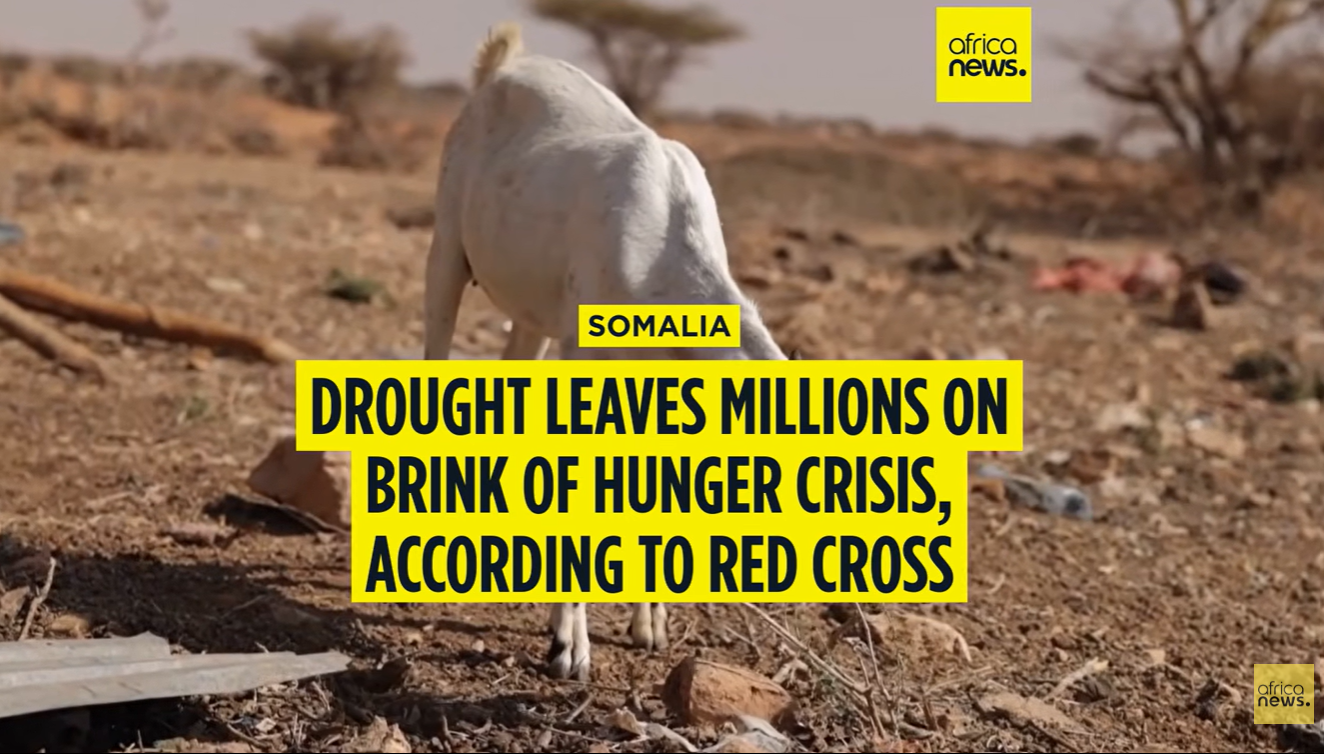
Gaajo reminds us of both physical hunger and the deeper realities faced by many communities today. In Somalia, ongoing drought and environmental challenges continue to disrupt livelihoods, making hunger a daily reality for millions.
It also calls us to reflect on our own relationship with food. Gaajo encourages mindfulness in how we consume and reduce waste, recognising that what may be abundant for some remains out of reach for others. This awareness invites a more intentional and compassionate way of living.
Across Somalia, communities are working toward long term solutions through environmental restoration, water access, and education initiatives that strengthen resilience and reduce vulnerability to hunger.
For S4S, gaajo is a call to action. It shapes our commitment to supporting water projects and sustainable initiatives that address the root causes of food insecurity. Through collective effort and community led solutions, we continue working toward a future where no one is left behind.
Connect with us:
Find Somalis for Sustainability on Instagram, LinkedIn, Tiktok and X.
Join our community on Slack Connect with us: