Maydi Newsletter: COP30 edition
Hi everyone,
Welcome to this month’s edition of the Maydi Newsletter!
We’re excited to share updates from the Somalis for Sustainability team’s recent time on the ground in Belem, Brazil, where they connected with local partners, participated in climate-focused gatherings, and explored new pathways for global collaboration.
In this issue, you’ll find reflections from their experiences, insights from the environmental and cultural networks they engaged with, and stories that highlight how community-led climate action continues to grow across borders.
And as always, be sure to check out our Word of the Month to keep expanding your Somali vocabulary.
Thank you for reading and staying connected with us. We hope you enjoy this month’s updates!
S4S News
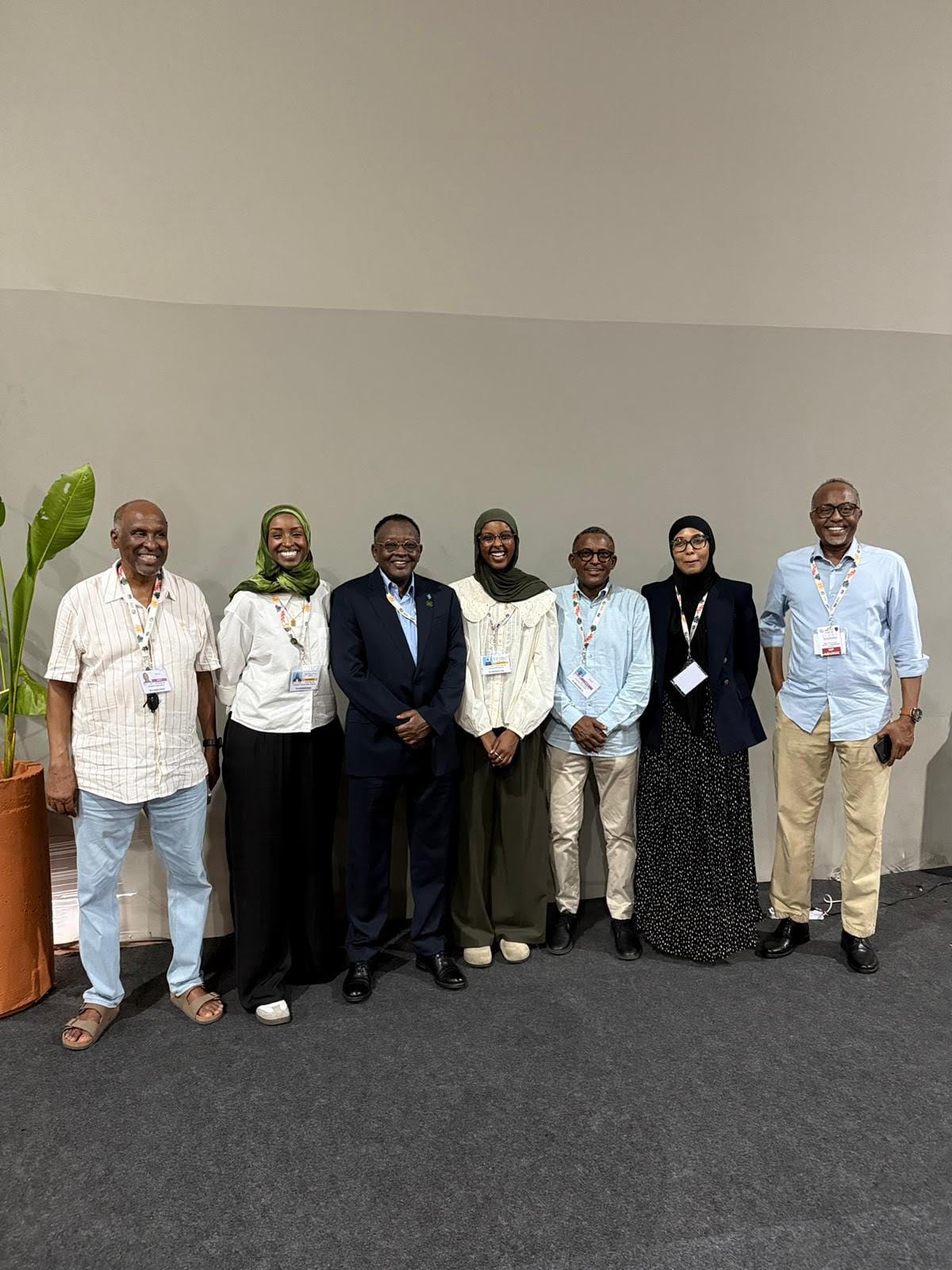
During week 2 of COP30, Somalis for Sustainability was on the ground in Belém - the first UN climate summit ever hosted in the Amazon. While COPs are always intense, this year carried a different kind of weight: the negotiations unfolded in a region that holds the world’s largest rainforest, and, symbolically, the world’s patience. Alongside the talks, S4S hosted a panel on Homegrown Futures: Diaspora Leadership in Somali Climate Action, a conversation on memory, identity, and the quiet brilliance of Somali climate leadership across continents.
Representing S4S were Sumaya Mohammed, our Associate General Secretary, and Zamzam Ibrahim, Director of Strategy. At this panel, they were joined by Somali experts: Hamza Abdiwahab from the Ministry of Youth & Sports, and Kowsar Dahir Mohammed of the University of Minnesota. In a COP dominated by negotiations on the reasons we “can’t phase out” of fossil fuels, stark finance gaps, and the question of how the world plans to safeguard its forests, this panel grounded the conversation back in community: how Somalis have always adapted, always rebuilt, always led.
Over the week, Sumaya tracked the Just Transition Work Programme (JTWP), following her participation at the Subsidiary Bodies in Bonn at SB62. Just transition simply means ensuring that climate action doesn’t deepen inequality - that workers, communities, and vulnerable countries aren’t left behind as the world shifts to cleaner economies. It’s about fairness in practice: decent jobs, social protection, and a transition that strengthens - not sacrifices - people’s livelihoods.
One of the key demands civil society pushed for was the creation of a Just Transition Mechanism, often referred to at COP30 as the Belém Action Mechanism (BAM). This mechanism would function as a dedicated support system for countries undergoing the economic and social shifts required for climate action - providing funding, technology, and capacity-building so nations aren’t forced to “transition” without the resources to do so. For Somalia, a country among many that faces extreme vulnerability without proportional climate finance or a pathway to move away from fossil fuels, this text carried both urgency and opportunity.
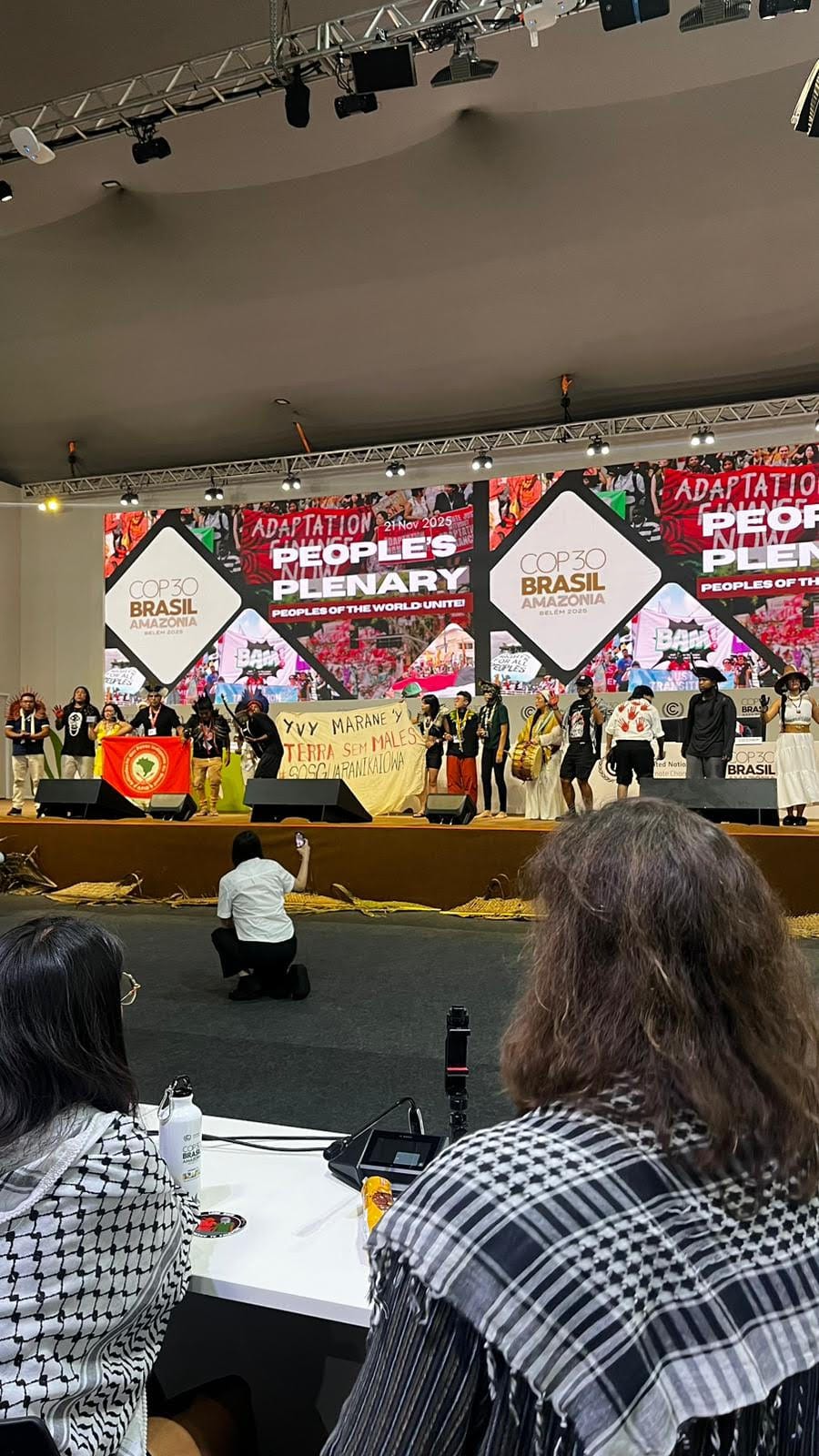
One of the real wins of COP30 was that we achieved BAM. Built by the people, for the people, it underscored something many of us already know: the power of people is not something to underestimate. It reminded us that people-power shows up in a thousand forms - whether through protesting, drafting policy, mobilising communities, or simply refusing to be silent. We all carry different expertise, and when we bring together not only our knowledge but also our humanity, compassion, and empathy, we create something not only meaningful but real. Something you can point to, hold, and say: we made this possible.
One notable disappointment was that the final outcome did not include any language on transitioning away from fossil fuels - a glaring omission given the stakes. However, the conference did announce that the first International Conference on Phasing Out of Fossil Fuels will take place next April in Colombia, offering another chance to reinforce the momentum and potentially secure more ambitious language and support structures.
Outside the negotiation rooms, COP30 was far from smooth. A fire broke out inside the venue midway through the summit, forcing a full evacuation and stalling already tense negotiations. Delegates joked about “climate symbolism,” but the reality was absurd: alarms no one could hear, no sprinklers, and thousands of people waiting outside in chaotic confusion. Behind the humour - which mostly masked the preposterous nature of a fire breaking out at a UN climate conference - was a familiar frustration: deadlines shrinking, draft texts ballooning, and political divisions hardening. More often than not, talks drifted toward the surreal - whole paragraphs bracketed, deleted, resurrected, or left hanging as “[no text],” the UN’s polite way of saying we tried, but not enough people agreed. This was especially evident in the closing plenary, where it was painfully clear countries were not in agreement on key outcomes.
Colombia made this explicit when they objected to the Mitigation Work Programme. As the gavel was being prepared, they raised their flag - as did several other countries - to ask questions, voice concerns, and propose changes. The COP President did not acknowledge their raised flags, or others’, and proceeded. Colombia then raised a formal point of order, joined by multiple delegations, stating they were blocking the programme and expressing serious concerns about decision-making processes at the conference. Sitting in the plenary during this moment was dystopian. Watching countries clearly and unmistakably object to the outcomes - saying openly that this was not what they had agreed to - only for the gavel to go down anyway, forces you to question the integrity of the system. You hear stories about this happening, but seeing it with your own eyes is indescribable. In the midst of the tension, Russia proceeded to call the objecting countries “children” who simply wanted to take all the “sweets” for themselves. Paraguay responded with one of the most unexpected and dignified interventions of the night: they reminded the room that children are intelligent, compassionate, and curious - and that being compared to one should be taken as a compliment. That, they said, is something we should all aspire to.
COP wasn’t a complete flop, but calling it a success feels almost ironic.
Looking ahead, S4S is preparing to deepen its engagement beyond COP30 - amplifying Somali expertise, strengthening diaspora networks, and pushing for mechanisms that reflect the realities of vulnerable and conflict-affected nations. From Mogadishu to Minneapolis, from Belém back to our communities, the work continues.
Insha Allah more to come.
Word of the month: Dhul (D-uul) Land
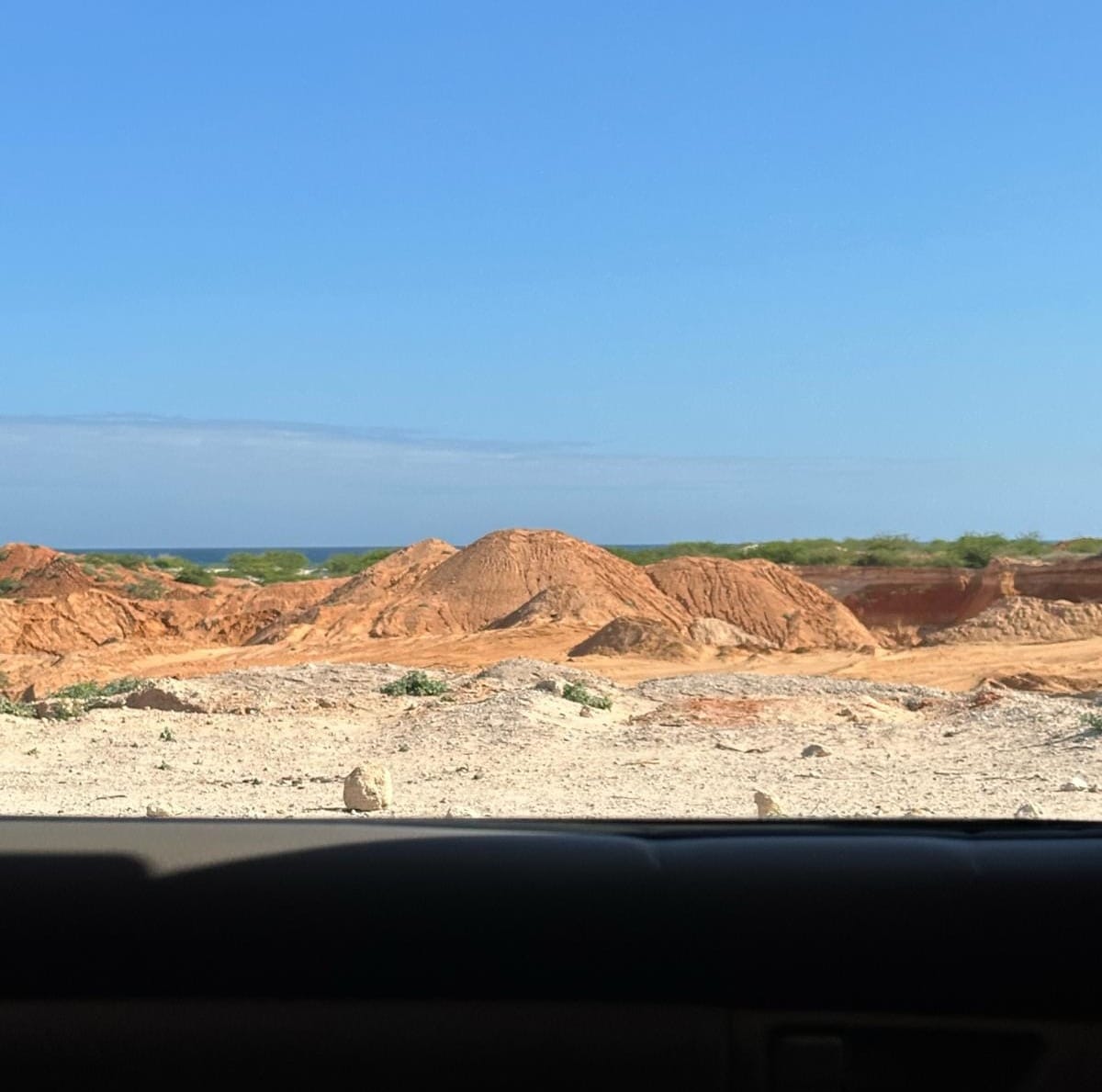
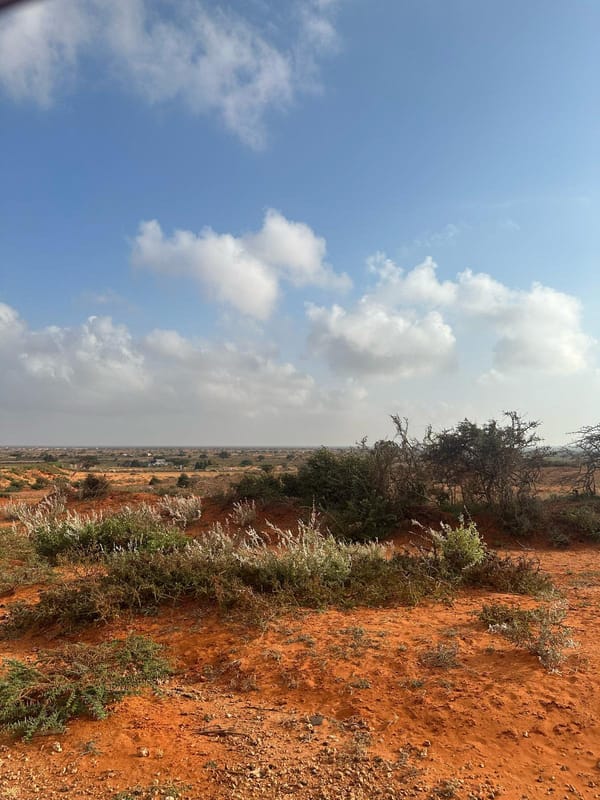
Dhul, meaning land or earth in Somali, carries a depth of significance that goes far beyond geography. In Somali culture, dhul is identity, inheritance and memory. It is the ground that holds ancestral stories, the pasture that sustains pastoral life and the place where community, livelihood and belonging are rooted. To speak of dhul is to speak of home, not only as a physical space but as a living connection between people and the environments that shape them.
In the context of climate change, dhul becomes an even more powerful concept. Protecting land, restoring ecosystems and honoring Indigenous and local knowledge are central to global climate action. For Somalis, whose history is intertwined with caring for fragile landscapes, the idea of safeguarding dhul is both cultural and existential. From the shifting rangelands of the Horn to the vast Amazon rainforest in Belem where COP30 was held, the struggle to protect land binds communities across continents.
Dhul reminds us that climate action is ultimately about place, the places we come from, the places we depend on and the places we hope to preserve for future generations
Stay Connected with S4S!
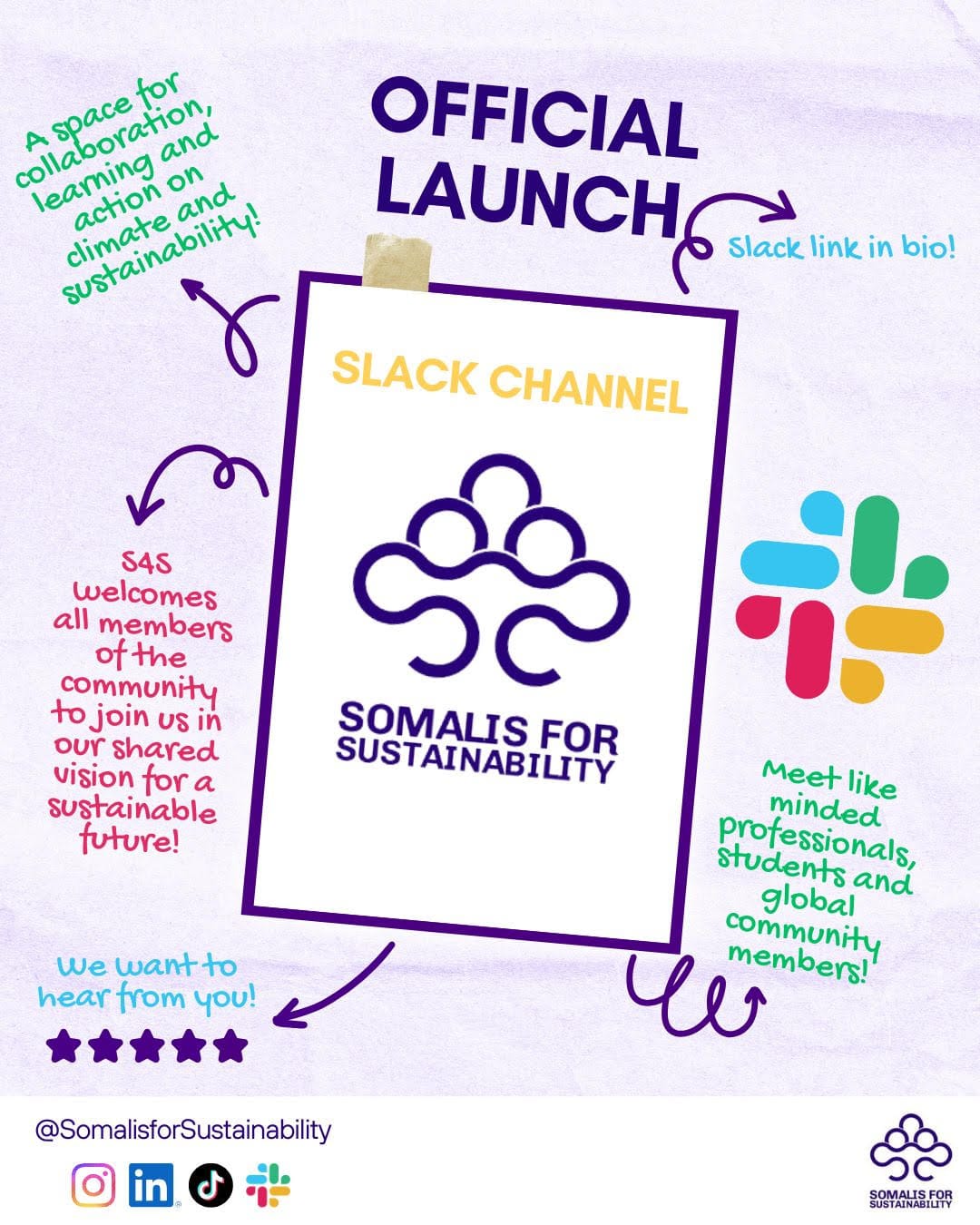
We are SO excited to announce that we now have an official Somalis for Sustainability Community Space on a platform called Slack!🥳🌍🌱
We welcome all members of the community (wherever you are in the world) to join! Do you want to hear about upcoming events, network with like-minded people, exchange resources and even hear about opportunities that may arise? 👟💨 It’s a space for collaboration, learning and action on climate and sustainability. 🌍
… and after you’ve joined, tell a friend to tell a friend to tell a friend.
Find Somalis for Sustainability on Instagram, Linkedin, Tiktok and X.