Maydi Newsletter: October
Hi everyone,
Welcome to this month’s edition of the Maydi Newsletter!
In this issue, we’re excited to share highlights from our much-anticipated Climate Education Workshop, where participants explored the deep connections between climate and cultural identity.
We’re also proud to spotlight one of our directors, Radhia, who recently attended the Planetary Health Alliance Meeting in Rotterdam, Netherlands, an inspiring event focused on the intersection of climate and health.
And as always, don’t miss our Word of the Month, designed to help you continue expanding your Somali vocabulary.
Thank you for taking the time to read and stay connected with us — we hope you enjoy this month’s updates!
S4S News 🗣
Community Climate Education Workshop by Somalis for Sustainability
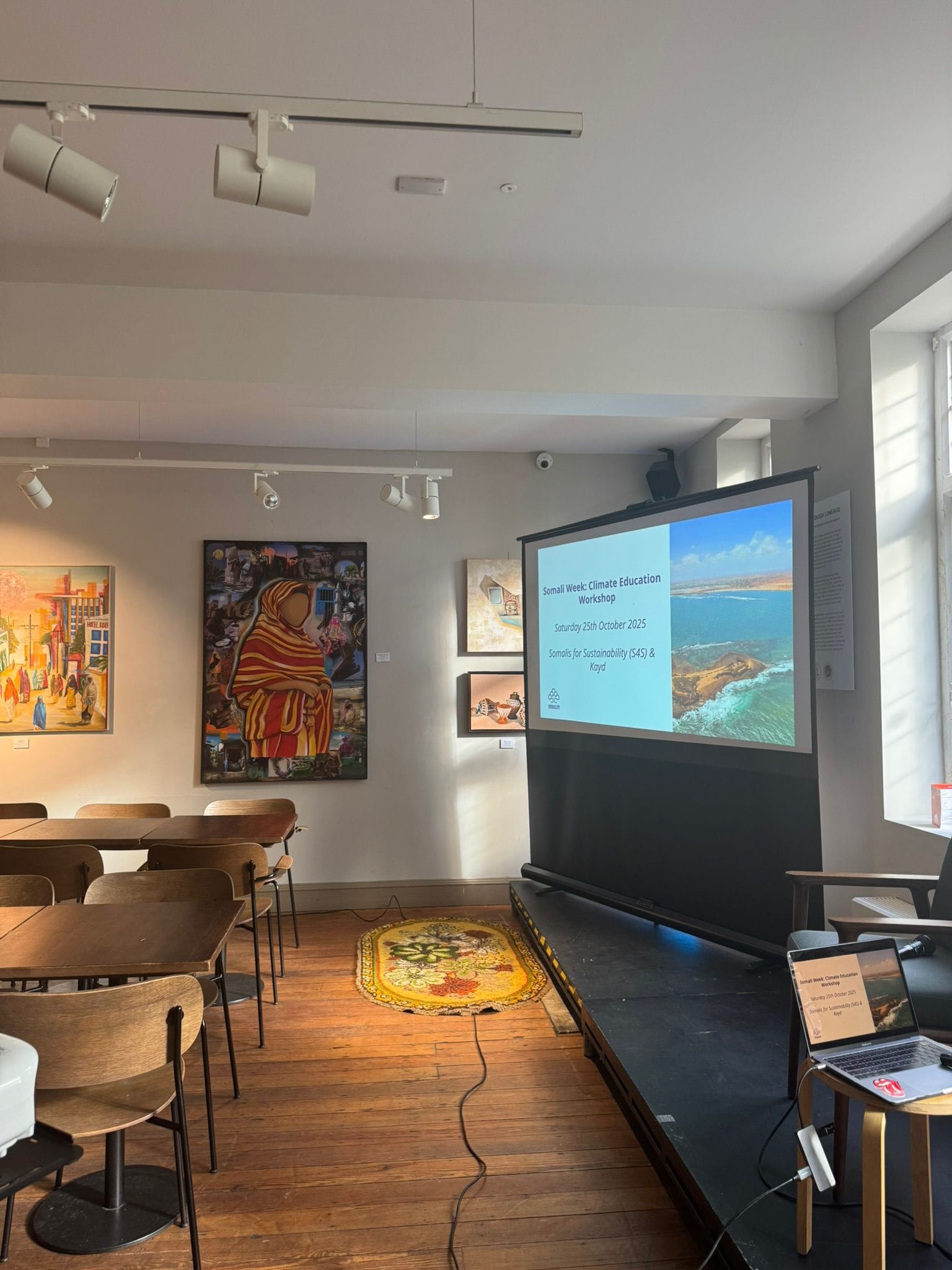
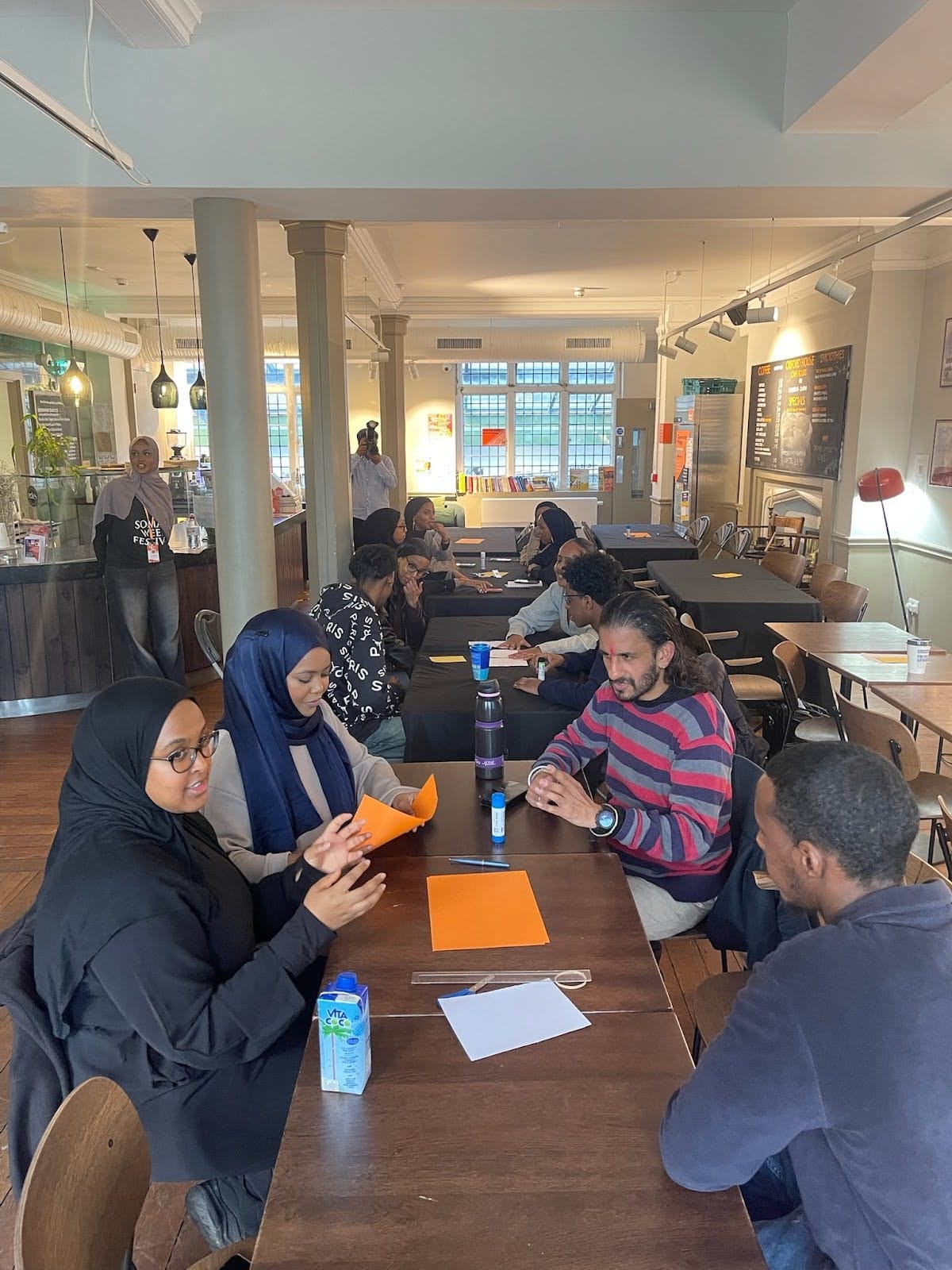
On the 25th of October, we welcomed attendees to our Climate Workshop event, done in collaboration with Kayd Somali Arts & Culture for their Somali Week festival. This third iteration of our yearly participation in Somali Week saw us host and treat participants first to an enigmatic activity in which groups were asked to construct a model house under time constraints, and only using the materials we provided them.
Trading, stealing, bartering, the groups engaged in all kinds of desperate (and funny) behaviour in order to get their houses built. Ultimately only one group was able to finish within the set time, poignantly reflecting the consequences of uncooperative behaviour by the groups despite there being enough materials within their eco-system for all of the groups to build their houses respectively.
It didn’t take much probing in our subsequent debriefing for the audience to realise that what took place in those previous minutes was but a small (and limited) microcosm of the globe’s various reactions to an existential and changing environment today, and the interconnectedness of both the successes and failings of climate diplomacy in response to climate change. The second part of the event drove this lesson home, with facts, figures, and the science behind climate change conveyed in an educational presentation. Attendees walked away with a clearer understanding of not just the nature of climate change, but also a more personal commitment to deliberately aligning our behaviours and activities to better reflect this dire reality. In a nutshell, in this event we wanted to convey that climate change requires us to think globally, but act locally.
Somalis for Sustainability (S4S) have some really exciting programmes, across the globe I should add, in the near future so be sure to keep following our social media accounts for further announcements and details!
Youth-Led Climate Action Takes the Global Stage
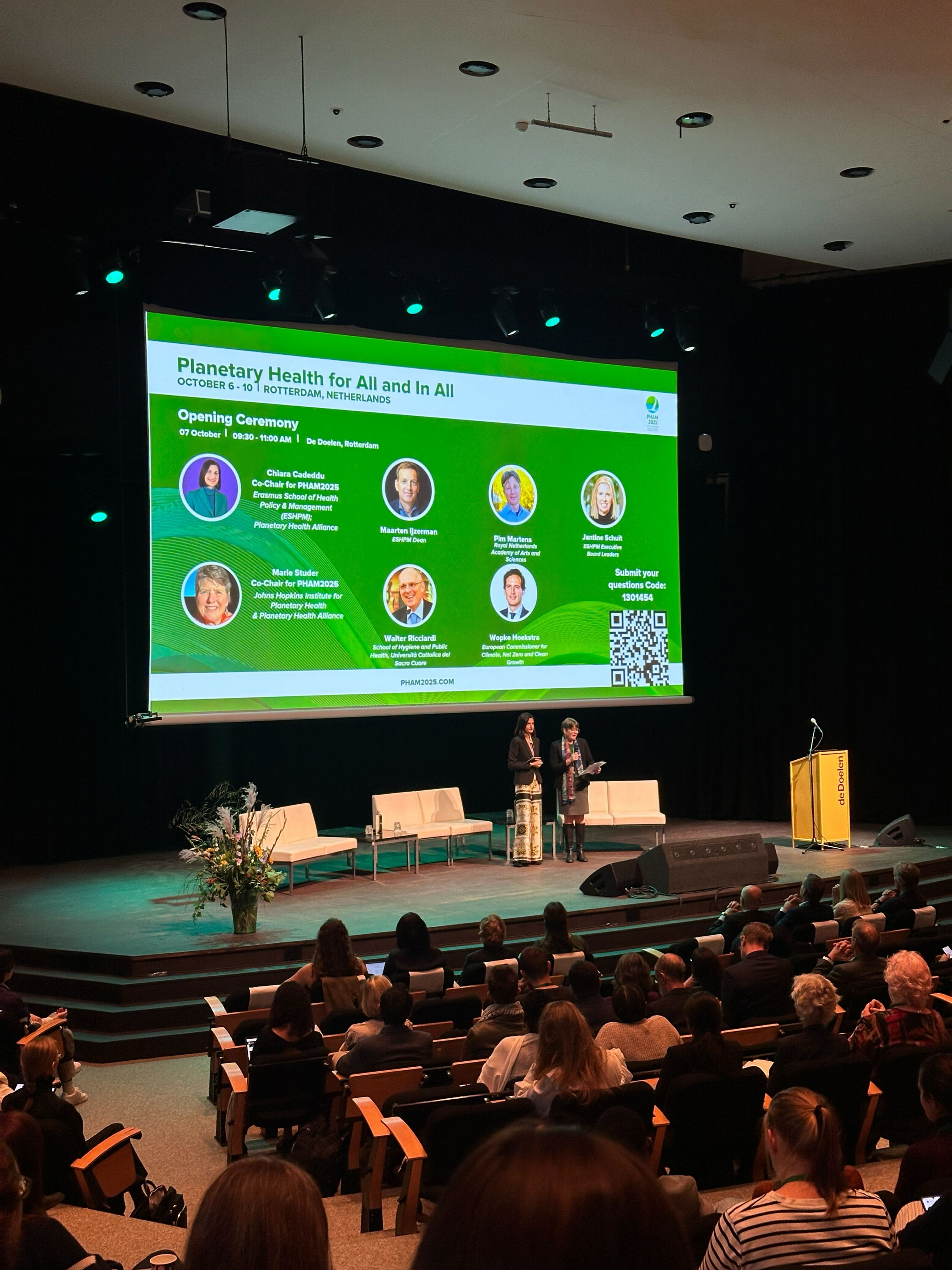
Earlier this month, Somalis for Sustainability was present at the Planetary Health Alliance Annual Meeting in Rotterdam, one of the world’s leading gatherings at the intersection of climate, health, and justice. Held every 18 months, the convening brought together over 500 participants from 53 countries, spanning researchers, youth leaders, policymakers, artists, physicians, and grassroots organisers. While planetary health is often discussed in academic circles, this year’s theme, “Planetary Health for All and In All,” pushed the movement toward a more urgent question: how do we move from theory to systems-level change?
Representing S4S was our Director of Logistics and Admin, Radhia, who presented on her work designing one of Australia’s first youth-led planetary health summits for African-Australian high school students, a pilot program that builds climate and health literacy through identity, belonging, and locally-grounded action. The response underscored a growing global recognition: meaningful planetary health futures cannot be designed for youth without being led by them, especially those from communities most impacted yet too often excluded from these conversations.
Alongside her presentation, Radhia engaged in dialogues on governance and diplomacy for planetary health, conversations that feel especially timely as the world looks toward COP30 in Brazil later this year. With health expected to feature prominently through the Belém Health Action Plan, priorities such as equity, resilient health systems, and community-driven participation are moving from rhetoric to negotiation rooms.
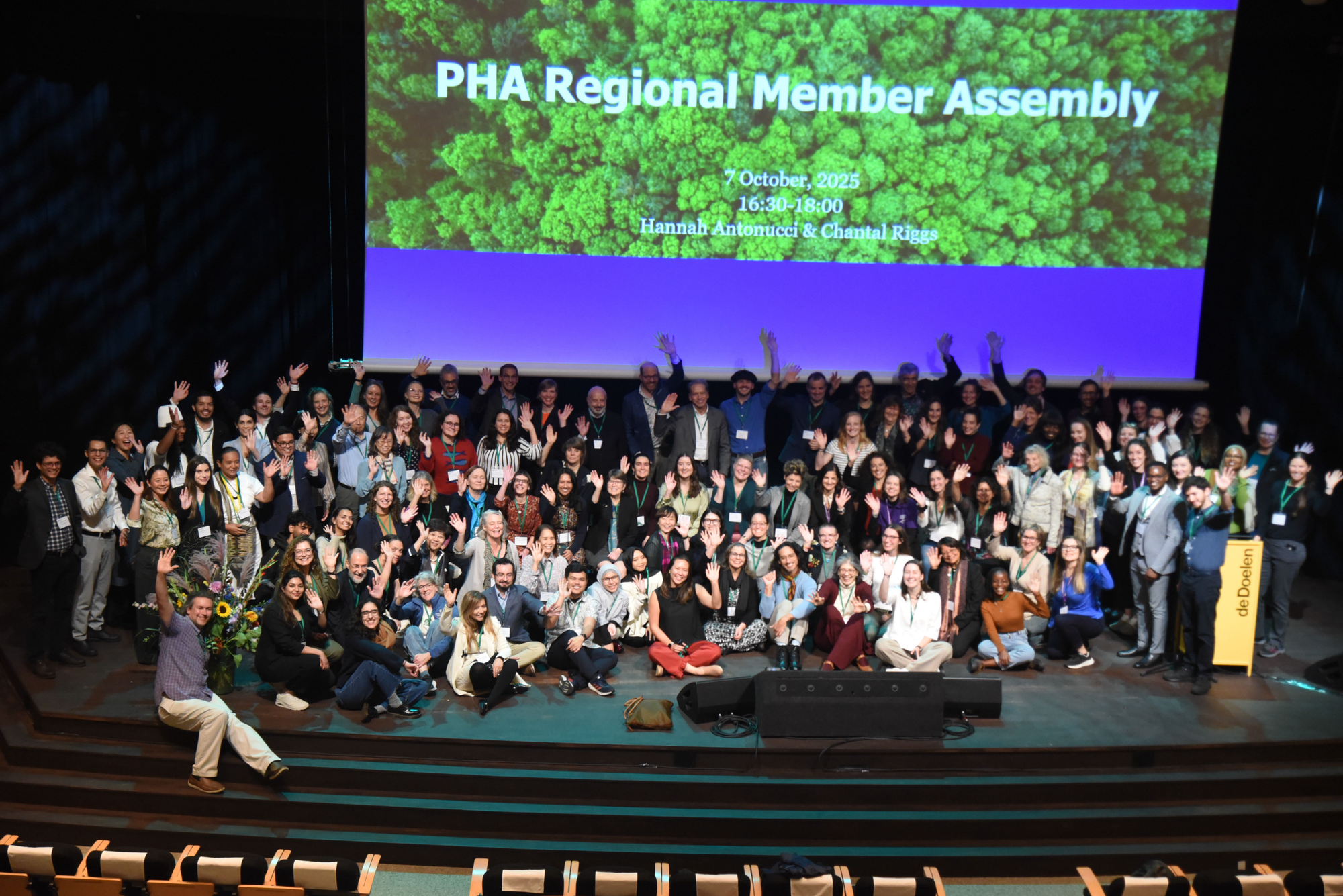
A key takeaway from Rotterdam: planetary health spaces are expanding and diversifying, yet critical voices remain missing. Countries like Somalia, already on the frontlines of climate-driven health crises, continue to be under-represented in shaping global agendas. Strengthening Somali and wider African-diaspora leadership in planetary health isn’t only a matter of inclusion, it is essential to building a just and liveable future.
Word of the month: Shir (Shi-rr) Consultation
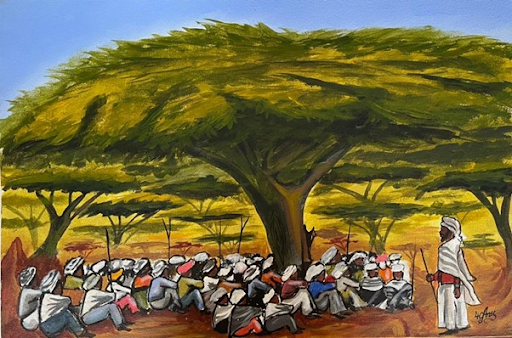
In Somali culture, a shir is a traditional gathering, a space where community members come together to discuss, debate, and make collective decisions. Rooted in Somalia’s strong oral tradition, the shir represents values of consultation, respect, and collaboration. It’s where wisdom is shared, consensus is built, and collective responsibility is affirmed.
In the context of climate change, the idea of a shir takes on renewed importance. Climate challenges demand the same spirit of open dialogue and shared problem-solving that a shir embodies. Just as communities once gathered under the acacia tree to discuss matters of land, water, and peace, today’s climate discussions — like our Climate Education Workshop — are a modern form of shir. They bring people together to share knowledge, reflect on cultural identity, and work towards sustainable, community-driven solutions for the future.
Upcoming Events/News
Stay tuned! The S4S team is heading to Brazil for COP30
📍 Belem, Brazil Mon, 10 Nov 2025 – Fri, 21 Nov 2025
We’ll be posting updates, behind-the-scenes looks, key moments and interviews throughout the event.
Follow us on socials so you don’t miss out!