The Call for Climate Migrants to be Legally Recognized.


Hello everyone, and welcome to our second S4S Spotlight Series, where we highlight the voices and expertise of our organisation’s members. This edition has been compiled by Maqsuud Nur, Sustainability Consultant and member of S4S’s Social Media and Marketing Team. Today, we turn our attention to a topic of rapidly increasing urgency and global significance: the call for climate migrants to be legally recognized. As environmental displacement intensifies worldwide, understanding the gaps in current protections becomes more important than ever.
It’s no secret that California is burning, Tuvalu is sinking, and Bangladesh is flooding. Today, we are seeing the real-world effects of climate change as a driving factor in people’s decisions to relocate. The United Nations High Commissioner for Refugees (UNHCR) categorizes the climate emergency as the “defining crisis of our time,” with displacement being one of its “most devastating consequences.” When an individual cites a climate-related incident as their primary driver for leaving their home, they are referred to as a ‘climate migrant’. Climate migration refers to the movement of people who are forced to leave their homes due to environmental changes caused or exacerbated by climate change.
Terminology
You may have heard the terms ‘climate refugee’ and ‘climate migrant’ used interchangeably; however, the term ‘climate refugee’ is not legally accurate. ‘Refugee’ is a legal term that gives migrants access to streamlined migration policies and funding. Each country has its own entry requirements and refugee priority status standings. However, all nations abide by the same definition of who can be classified as a refugee. The 1951 Refugee Convention and its 1967 Protocol state that a refugee is a person who is displaced due to “a well-founded fear of being persecuted for reasons of race, religion, nationality, membership of a particular social group or political opinion."
Who is Excluded from this Definition?
The Refugee Convention does not include those displaced due to environmental factors, meaning climate migrants are not classified as refugees and therefore lack the legal protections and life-saving aid that traditionally recognized refugees receive. Climate migrants exist in a legal limbo, they have significantly fewer avenues to migrate internationally and, as a result, are usually displaced internally within their respective nations as IDPs (Internal Displaced People).
To be classified as a ‘refugee’, applicants need to be able to provide evidence that they’ve been persecuted based on race, religion, nationality, membership of a particular social group or political opinion, and, in theory, the effects of climate change do not discriminate. Rising sea levels, floods, extreme weather events, and droughts do not explicitly target a group of people. However, we do know that nations with higher GDPs are better equipped to handle the harsh effects of climate change, and individuals with greater wealth can flee disasters more quickly than poorer communities. Tendayi Achiume, UN Special Rapporteur on contemporary forms of racism, racial discrimination, xenophobia, and related intolerance, stated that:
“The ongoing destruction of our planet affects everyone. But what experts also make clear is that race, ethnicity, and national origin continue to result in the unjust enrichment of some, and the utter exploitation, abuse, and even death of others on account of the discrimination at the core of environmental and climate injustice.”
We see this as smaller, poorer nations are the ones facing the weight of climate change.
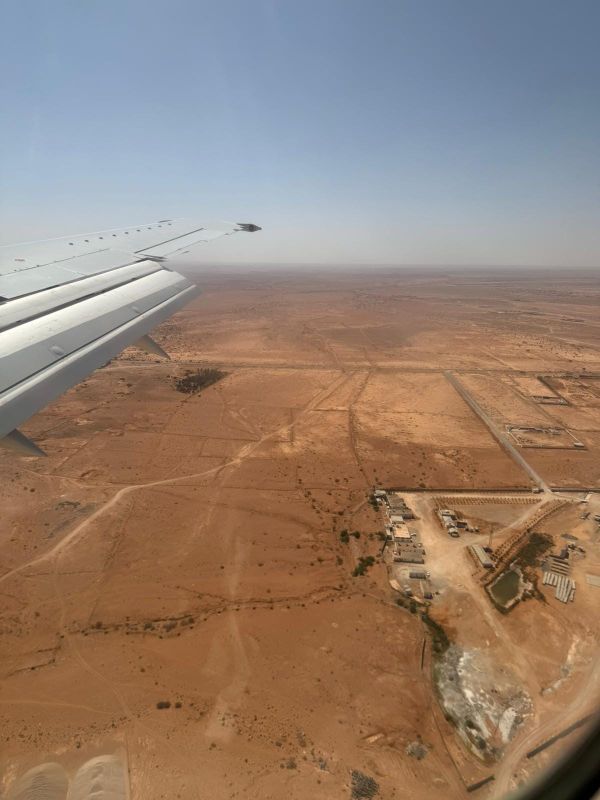
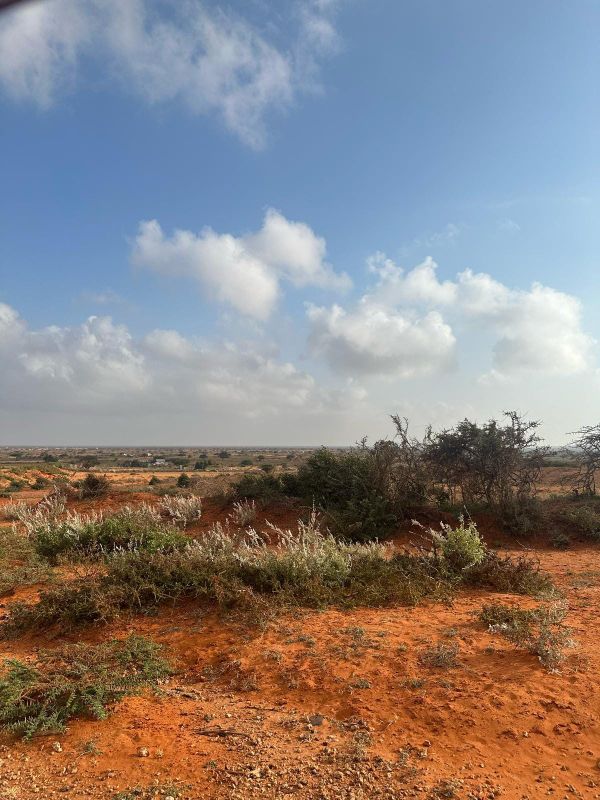
In 2021, the International Monetary Fund connected a nation’s greenhouse gas emissions to its wealth. Wealthier nations emit nearly 40% of global CO2 emissions while accounting for only 16% of the world’s population. Whereas the poorest countries account for almost 60% of the world’s population but emit less than 15% of the world’s CO2 emissions. Somalia is a prime example. Somalia accounts for 0.019% of global greenhouse gas emissions but ranks among the most susceptible nations to climate change. As wealthier nations continue to contribute to climate change at record rates, poorer countries, which are the least responsible for driving climate change, will continue to bear the brunt of its impacts.
Somalia/Horn of Africa
In the early nineties, Somalis were displaced due to civil war. We saw mass migration of Somalis all around the globe, fleeing for their safety. Today, the Horn of Africa is facing yet another catalyst for migration, the worst drought in 40 years. According to UNHCR, “a toxic mix of conflict, severe drought and devastating floods has forced more than 1 million people in Somalia to flee their homes in the first five months of 2023 – a record rate of displacement for the country.” In that same year, more than 408,000 people were displaced by floods engulfing their villages and another 312,000 people by ravaging drought.”
These numbers don’t appear to be slowing down. Cyclical droughts and floods will continue to encourage Somali residents to settle elsewhere. As climate disasters increase, people will continue to move to safer, more habitable lands, and in today’s political climate, finding a stable, welcoming home is increasingly difficult.
Climate Change and Displacement are Interconnected
Somalia can’t fight climate change alone. This is a global problem; man-made disasters by privileged nations directly affect the livelihoods of the most vulnerable countries worldwide. In turn, people from these nations will continue to migrate in search of a better life in neighboring countries. Since the Refugee Convention does not include climate-related disasters as a legally recognized reason to migrate, climate migrants will continue to exist in limbo, unable to stay in their home, and unable to access legal routes to safe haven in nations better prepared to handle the downstream effects of climate change.
Just as war and persecution won’t end, climate change is not slowing down. As the earth continues to warm, climate events will become more frequent, and the number of climate refugees will become difficult for the international community to ignore. Governments must commit not only to reducing their carbon footprints but also to providing legal pathways for climate migrants to resettle.
Connect with Maqsuud on LinkedIn.
Find Somalis for Sustainability on Instagram, LinkedIn, Tiktok and X.