April 2026 - Maydi Newsletter
Dear readers,
Welcome to S4S’s second special edition, exploring the intersection of climate change, public health systems, and inequality across East Africa. In places like Somalia, climate change is not abstract; it is felt in clinics, food systems, and the daily realities of communities facing drought, displacement, and limited access to care.
As pressures intensify, health systems are tested not only in their capacity to respond, but in who they can serve. This edition examines how environmental change is reshaping health outcomes, exposing structural gaps, and challenging system resilience.
We speak with Amal Abdirashid Ali, a Master of Global Health student focused on health systems, epidemiology, and policy, currently working with Somalia’s National Institute of Health. Her insights highlight both the urgency of these challenges and the need to build more equitable, prepared systems.
- Can you introduce your current work and what led you to focus on health systems in East Africa, and how your experience with the National Institute of Health in Somalia has shaped your perspective?
I’m currently a Master of Global Health student focusing on epidemiology, health systems, and policy, with a particular interest in how health services function in complex and conflict-affected settings. My current research looks at immunisation systems in territories controlled by non-state armed groups, which has shaped how I think about access, governance, and service delivery beyond formal state systems.
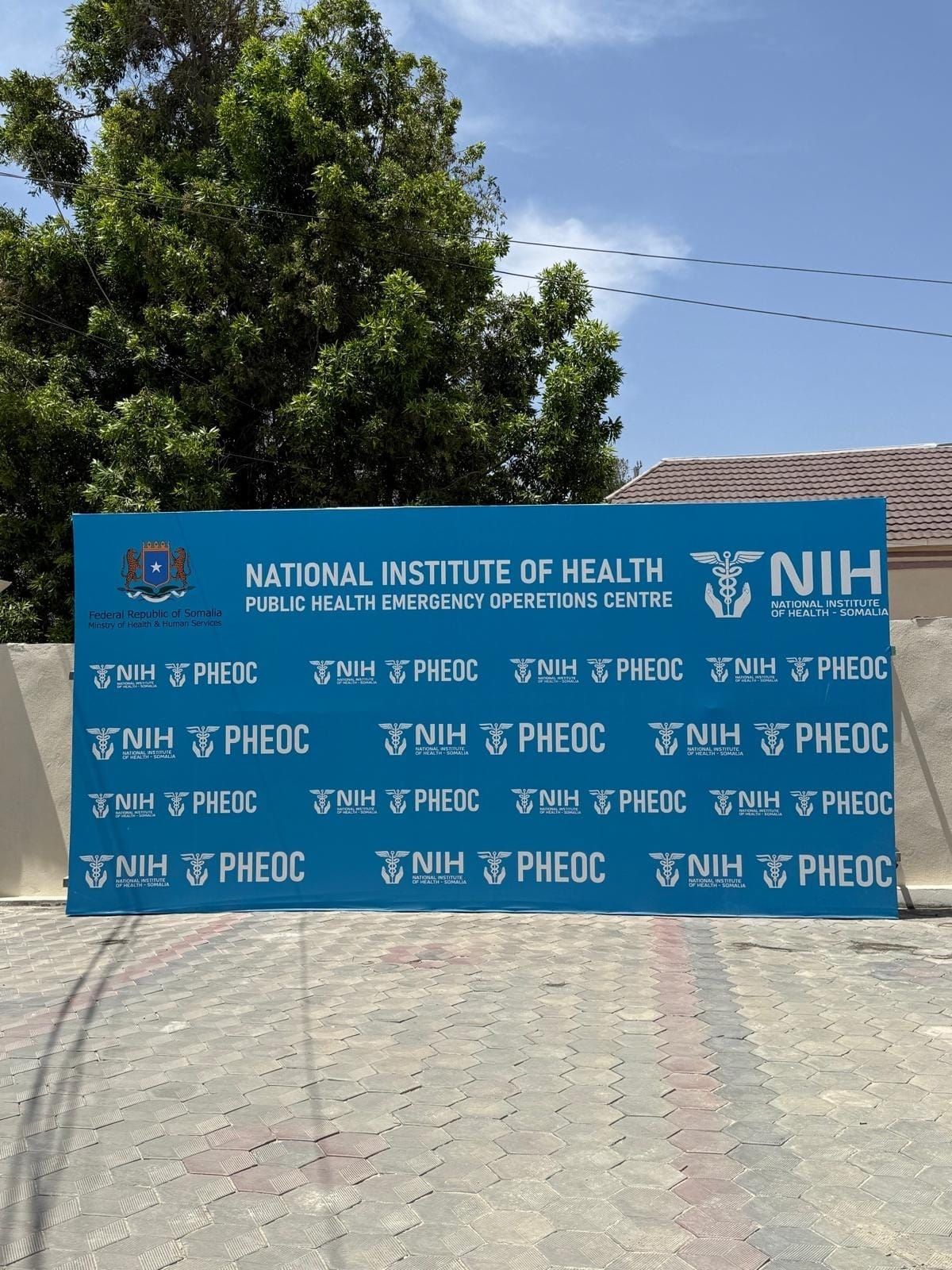
My interest in East Africa, and Somalia in particular, grew through working in contexts where the broader drivers of health are especially visible. My experience with the National Institute of Health in Somalia gave me insight into how health systems operate under pressure, balancing surveillance, research, and emergency response with limited resources.
What stood out most was the gap between how resilience is often discussed globally and how it is experienced in practice. While it is framed in terms of preparedness and adaptability, many systems are still largely responding to crises rather than anticipating them. That experience shaped my focus on strengthening health systems that can withstand shocks, particularly in fragile and climate-affected settings, rather than simply reacting to them.
- From your perspective, how is climate change currently impacting public health across the region, including any shifts in disease patterns or emerging health risks?
When people think about climate change, they often picture environmental change. But in East Africa, and particularly in Somalia, it is already being experienced as a public health issue.
It is reshaping health through three interconnected pathways.
First, disease patterns are shifting. Changes in temperature and rainfall affect vector ecology, altering the transmission of diseases such as malaria, while extreme rainfall events are linked to increases in waterborne diseases. Evidence shows that climatic variability is already contributing to outbreaks of diseases such as cholera in the region [1,2].
Second, climate change is disrupting livelihoods, particularly for pastoralist communities. In Somalia, recurrent droughts and floods are reducing access to water and pasture, increasing food insecurity and vulnerability. Over time, these pressures are making traditional pastoral ways of life increasingly difficult to sustain. This has direct health implications, as food insecurity contributes to malnutrition and weakens immune systems, a major underlying factor in mortality among vulnerable populations.
Third, climate shocks are driving displacement. Recent data shows that drought is a major driver of displacement in Somalia, forcing communities into overcrowded settlements where access to healthcare, clean water, and sanitation is limited [3].
These combined pressures are already producing significant public health impacts, compounding existing vulnerabilities in fragile systems. What becomes clear is that climate change does not act in isolation; it amplifies existing risks, making health outcomes more severe and more unevenly distributed.
- How are these climate pressures affecting the capacity of health systems, particularly in terms of infrastructure, workforce, and access to care?
Climate change is not only affecting health outcomes but also places sustained pressure on the systems designed to respond to them.
This pressure is most visible across infrastructure, workforce, and access to care.
Health infrastructure is increasingly exposed to climate shocks. Flooding and extreme weather events can damage facilities, disrupt supply chains, and interrupt essential services such as electricity and water. In Somalia, where infrastructure is already limited, this has a disproportionate impact. Climate-related shocks are compounding existing system fragility, weakening service delivery and system readiness.
The health workforce is also under growing strain. Somalia faces significant shortages of trained personnel, and climate-related disease burdens increase demand for care. Limited workforce capacity, combined with rising health needs, reduces the system’s ability to respond effectively during outbreaks.
Access to care is becoming more fragile as well. Climate shocks are driving displacement, forcing communities into informal settlements where healthcare services are limited. At the same time, climate-related disruptions to water and sanitation systems are increasing the risk of diseases such as cholera, particularly in urban and peri-urban settings.
More broadly, climate change is recognised as a systemic stressor that disrupts the functioning of health systems, increasing demand while simultaneously reducing capacity.
What becomes clear is that climate change is not creating entirely new pressures; it is exposing and intensifying existing weaknesses. In contexts like Somalia, strengthening health systems is not just about adaptation, but about addressing the structural fragility that climate change brings into sharper focus.
- In your experience, which communities are most vulnerable when climate change and weak health systems intersect, and how do existing inequalities shape health outcomes?
One of the most important things to recognise is that climate change does not affect everyone equally; it follows the lines of inequality that already exist.
In East Africa, and particularly in Somalia, the most vulnerable groups are those already facing structural disadvantage: internally displaced communities, rural populations, and women and children.
The scale of this vulnerability is significant. Close to half of Somalia’s population is affected by overlapping crises, including drought, flooding, conflict, and disease outbreaks, driving widespread humanitarian need. Today, millions require urgent assistance, and nearly four million people are internally displaced, many living in overcrowded settlements with limited access to water, sanitation, and healthcare. These conditions significantly increase exposure to infectious diseases and limit the ability to recover from climate shocks.
Gender adds another layer. Women and children make up the majority of displaced populations and are disproportionately affected due to their roles in caregiving, water collection, and food provision. As resources become scarcer, their workload increases, along with their exposure to health risks.
Vulnerability is not simply about exposure to climate events; it is about capacity. Research consistently shows that populations with limited access to healthcare, infrastructure, and economic resources are less able to adapt to environmental change [4]. In this way, climate change acts as a multiplier, deepening existing inequalities and shaping who is most at risk.
- From your work, what role do research and data play in responding to climate-related health challenges, and where are the key gaps in data or surveillance?
Behind every effective health response is data, but in many contexts, that data remains incomplete.
Institutions like the National Institute of Health in Somalia play a critical role in generating evidence through surveillance, research, and analysis, helping to inform decision-making and response strategies.
However, significant gaps remain. Climate-sensitive diseases such as cholera, measles, and polio are increasing in Somalia, yet surveillance systems are often fragmented and under-resourced, limiting early detection and response capacity. Weak data infrastructure makes it difficult to accurately assess disease burden, particularly in rural and conflict-affected areas.
Another key challenge is the lack of integration between climate and health data. Environmental changes, such as droughts, floods, and temperature variability, are not always systematically linked to health outcomes, reducing the ability to anticipate risks. Global frameworks increasingly emphasise the need for integrated climate-health surveillance systems to support early warning and preparedness. Somalia’s National Adaptation Plan highlights the importance of strengthening data systems, improving monitoring capacity, and investing in early warning mechanisms to respond to climate-related health risks [5].
At the same time, broader environmental analysis stresses the need for improved data collection and coordination across sectors, particularly in fragile contexts where information systems are often weak or fragmented.
Research and data are not just technical tools; they are foundational to building resilient health systems. Without reliable, integrated, and timely data, responses remain reactive rather than preventive.
- How aligned are current health policies and national strategies with the realities on the ground, and what are the biggest constraints facing public health institutions today?
On paper, many national health policies in East Africa are increasingly well aligned with global priorities. They emphasise universal health coverage, resilience, and equity, reflecting broader frameworks such as the Sustainable Development Goals [6].
However, the gap between policy and reality remains significant, and in contexts like Somalia, this gap is largely shaped by structural constraints. While policies often outline comprehensive and forward-looking strategies, the systems responsible for implementing them are frequently under-resourced and overstretched.
One of the most critical challenges is financing. Health systems remain heavily dependent on external support, with estimates suggesting that up to 95% of Somalia’s health budget is externally funded [7]. This creates vulnerability to funding fluctuations. Recent funding reductions have already forced major scale-downs in service delivery.
These constraints are not abstract; they are already affecting outcomes. Funding shortfalls forced humanitarian actors to significantly reduce coverage, leaving large portions of the population without assistance [8]. At the same time, the country continues to face multiple concurrent disease outbreaks, including cholera, measles, and diphtheria, placing further strain on already limited systems.
The implications for access to care are substantial. Current projections suggest that hundreds of health facilities are at risk of closure due to funding shortages, particularly in climate-affected and hard-to-reach areas [7]. Workforce limitations further compound the issue, alongside persistent barriers such as cost, distance, and availability of medicines. Sustaining essential health services in Somalia is becoming increasingly difficult under these conditions.
Policy alignment alone is not sufficient. Without sustained investment, workforce development, and system strengthening, even well-designed strategies struggle to translate into meaningful improvements in health outcomes.
- Do you think global health frameworks and international support systems adequately reflect the realities of health systems in East Africa, or are there critical disconnects?
Global health frameworks play an important role in setting priorities, coordinating responses, and mobilising resources. They provide a shared structure for addressing cross-border health challenges, particularly in areas such as disease surveillance, emergency response, and health system strengthening.
However, they do not always fully reflect the realities on the ground, particularly in fragile and climate-affected contexts like Somalia.
One of the key challenges is that many frameworks are designed with relatively stable systems in mind. In practice, health systems in East Africa are navigating overlapping pressures, including climate shocks, displacement, and limited institutional capacity. This creates a gap between what frameworks assume and what systems are actually able to deliver.
There are also structural issues in how global health initiatives are implemented. Many widely used implementation frameworks are rooted in models developed in high-income settings, which may not fully align with local contexts in Africa. This can limit their effectiveness when applied without adaptation. In addition, compliance with global frameworks is uneven. For example, many countries continue to face challenges in meeting core capacities under international health regulations, reflecting broader constraints in system capacity.
Another important issue is how funding is structured. Short-term funding cycles often prioritise immediate outputs over long-term system strengthening. At the same time, local actors are not always sufficiently included in decision-making processes. The need for context-specific approaches is recognised, but in practice, this remains an ongoing challenge.
Global health frameworks are essential, but not sufficient. Their impact ultimately depends on how well they are adapted to local realities, supported by sustained investment, and shaped by the communities they are intended to serve.
- What does a sustainable and climate-resilient health system look like in this context, and what changes are most urgently needed to move toward that vision?
A climate-resilient health system is one that can anticipate, absorb, and adapt to shocks, while continuing to deliver essential care. In fragile contexts like Somalia, this goes beyond infrastructure alone; it requires transforming how systems are designed, governed, and sustained.
At its core, resilience is about capacity. Research on health system transformation in fragile settings shows that resilience depends on the ability to maintain services under stress, adapt to changing risks, and address underlying inequalities that shape health outcomes [8,9]. This means that resilience is not just technical; it is structural and systemic.
Infrastructure is a critical starting point. Health facilities must be able to function during extreme weather, with reliable access to energy, water, and supply chains. In Somalia, initiatives such as solar-powered health facilities demonstrate how climate adaptation can also strengthen service continuity, particularly in remote or resource-limited settings [10,11].
Strong primary healthcare systems are equally important. They improve access, support early detection, and reduce pressure on higher-level facilities during climate-related crises. At the same time, workforce capacity must be strengthened, particularly in areas such as field epidemiology and emergency coordination.
Data systems also play a central role. Integrating climate and health information allows for better forecasting and early warning systems, enabling more proactive responses.
Importantly, resilience must be embedded in policy. Somalia’s National Adaptation Plan emphasises strengthening health systems as part of broader climate adaptation efforts, recognising the need for coordinated, long-term strategies [5]. At the same time, broader development actors such as the World Bank highlight that building resilience is essential not only for health outcomes, but for long-term economic stability and recovery [12].
Ultimately, resilience is not a single intervention; it is the result of systems that are designed to adapt, respond, and continue functioning under pressure. The most urgent shift is from reactive crisis response to proactive system strengthening.
We thank Amal for sharing her insights and findings. Connect with Amal via email, amalabdirashidali@outlook.com
Upcoming Events/News
S4S Event in Norway 🇳🇴
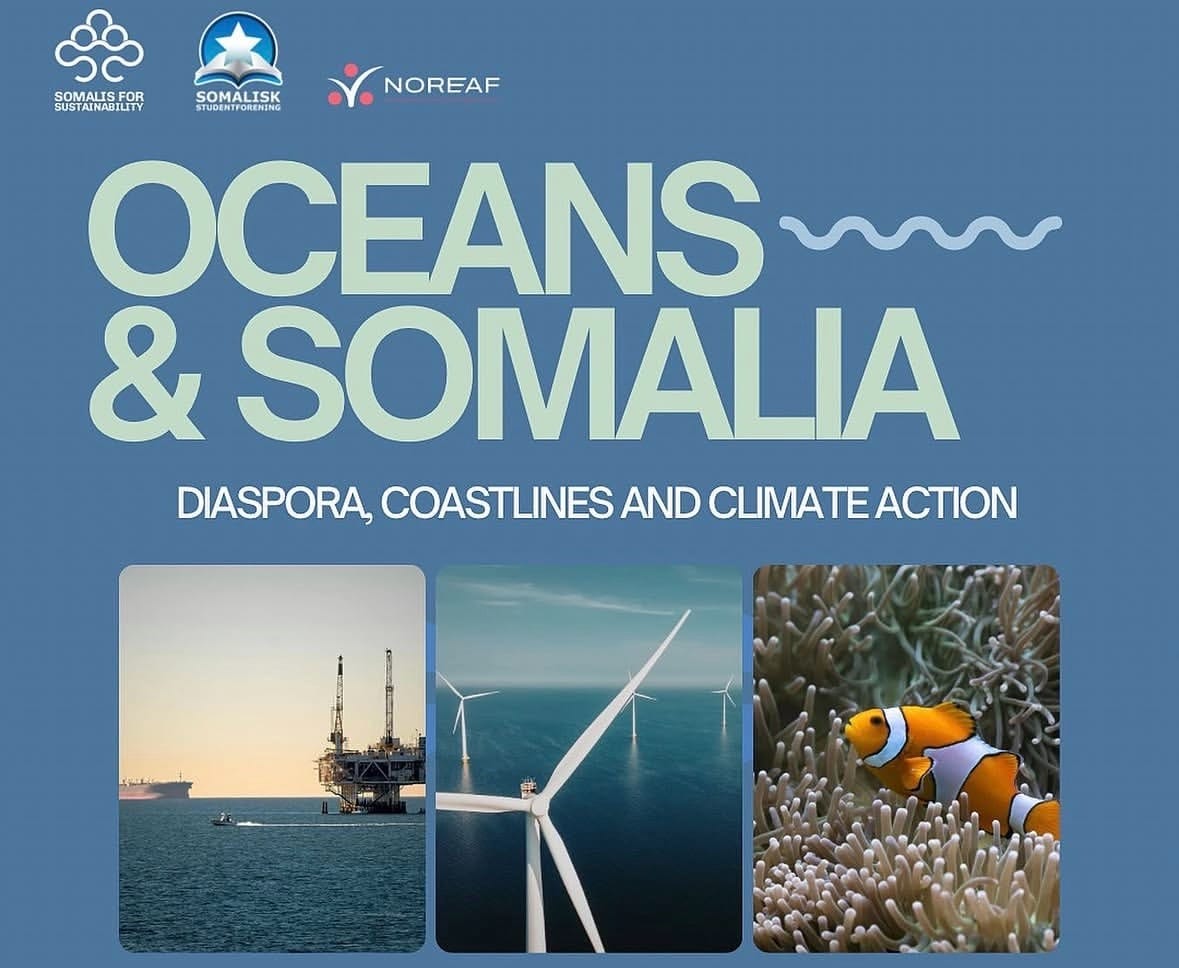
In collaboration with Somaliskstudentforening and Noreaforg, we will come together to explore the intersection of climate change and oceans in the Horn of Africa, and the role of Somali communities, both locally and in the diaspora.
📆 Saturdays, May 13 @ 6:00-9:00pm
📍 P52, Oslomet
🖇️ Register here