Maydi Newsletter: August 2026
Hello and welcome to the latest issue of the Maydi Newsletter!
This month, we look back at the events and partnerships Somalis for Sustainability has recently contributed to, alongside key environmental and sustainability developments from across the Somali Horn.
We examine what the expected El Niño season could mean for Somalia and how the newly launched Pandemic Fund project may strengthen the country’s ability to prepare for and respond to emerging health threats.
We hope you enjoy reading this month’s edition!
S4S News
Restoring Drylands in the Region🫴🌱
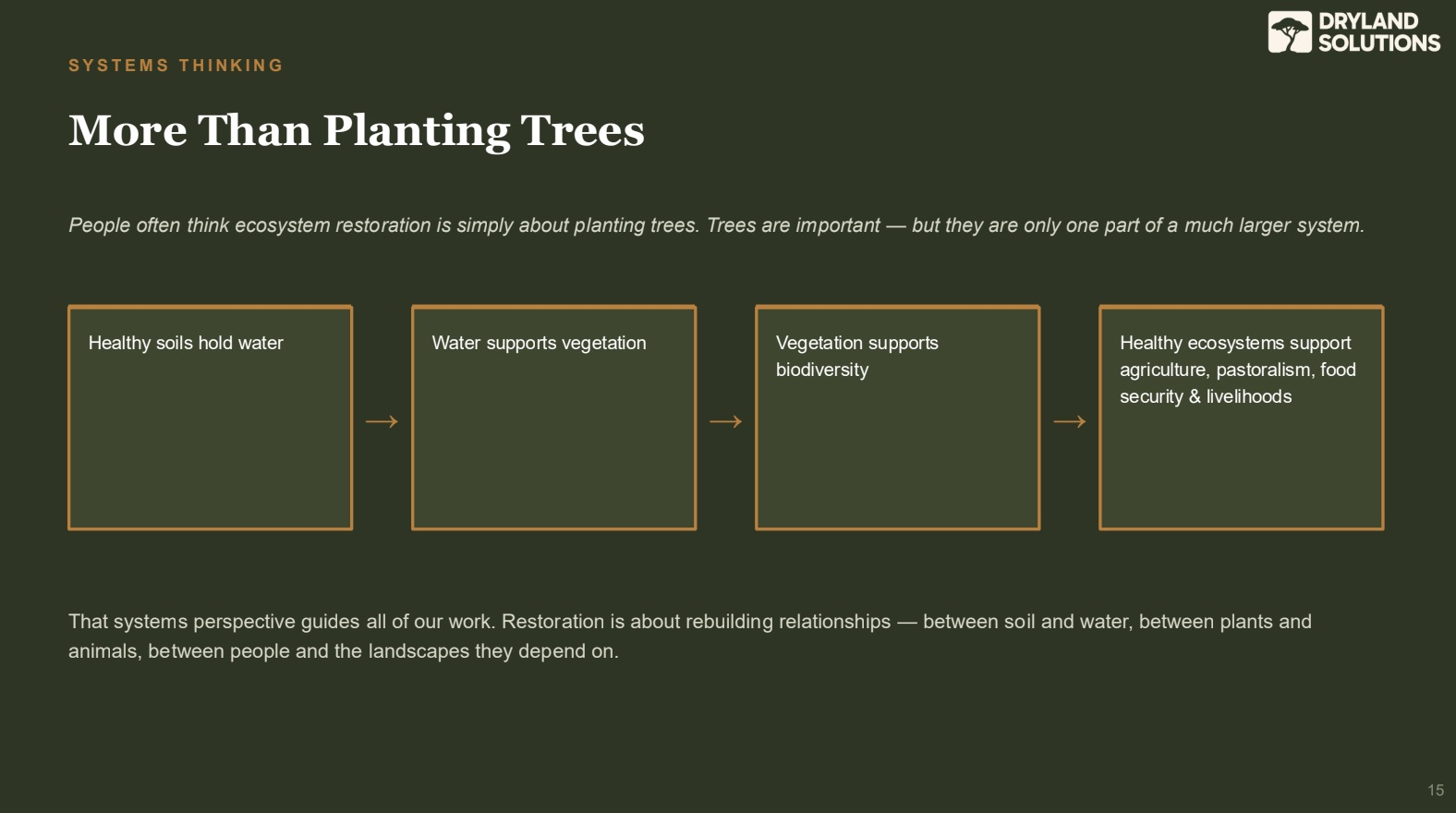
Earlier this month, Somalis for Sustainability (S4S) hosted a webinar exploring ecosystem restoration, community-led solutions, and the potential to restore Somalia’s degraded drylands. Our speaker, Yasmin Mohamud, the founder of Dryland Solutions, kicked us off with the question: "What if degraded land isn’t broken, but simply waiting for us to understand it differently?" She talked us through her journey from witnessing environmental degradation in Somalia to developing practical approaches for restoring landscapes and supporting the communities that depend on them. Yasmin also shared examples of restoration from around the world that have helped shape her approach, from restoring salty soils in Jordan to farmer-led approaches in Niger and large-scale restoration in China.
"Restoration cannot be imposed on communities. People must believe in it."
We were introduced to permaculture and nature-based solutions, with a focus on understanding the soil, water, landscape and communities before intervening. The webinar emphasised the importance of listening. Across the region, the land is deeply connected to community and identity, which means that successful restoration depends on trust and partnership with the people who live on and care for it.
Our listeners had a chance to ask questions at the end, with the discussion ranging from the potential of watershed restoration and rainwater harvesting to community-led action and government engagement.
The webinar ended with the story of a hummingbird carrying drops of water towards a forest fire, leaving us all with a question to consider: What is your drop of water?
What is the latest in the Horn?
Impacts of El Niño strengthen in Q4 🌧️
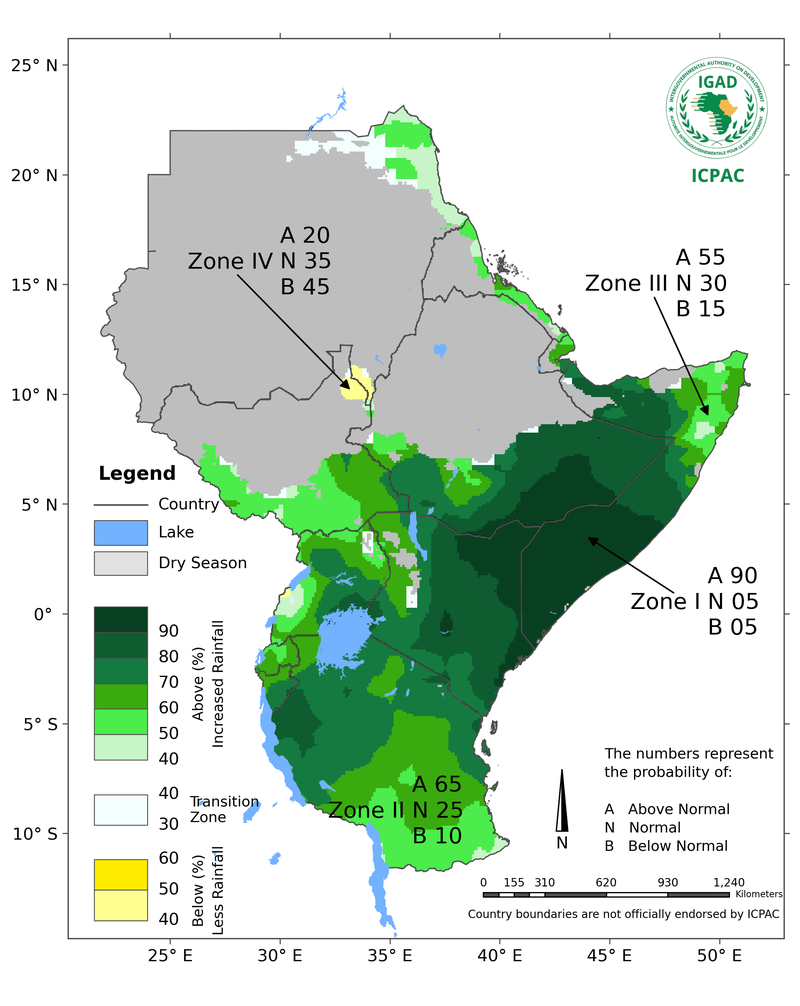
The Greater Horn of Africa is expected to experience warmer and wetter-than-normal conditions between October and December 2026 as El Niño strengthens and a positive Indian Ocean Dipole develops. These climate patterns typically increase rainfall during this important rainy season.
For Somalia, the forecast indicates a 90% likelihood of wetter-than-normal conditions across central and southern areas, with some locations potentially receiving more than 400 mm of seasonal rainfall. The rains are also expected to begin early or around their usual time, while warmer-than-average temperatures are forecast across much of the country.
The increased rainfall could replenish water sources, restore pasture and improve conditions for livestock and agriculture. However, excessive rainfall could also cause riverine and flash flooding, leading to displacement, loss of life and livestock, crop destruction, infrastructure damage and disruption to health, nutrition and other essential services. Flooding and standing water could also increase the risk of waterborne and vector-borne diseases.
For Somalia, the forecast highlights the need for early preparedness, particularly in flood-prone communities along the Jubba and Shabelle rivers and in low-lying urban areas. Priority measures include clearing drainage systems, strengthening early-warning communication, protecting water sources and livestock, pre-positioning essential supplies, and preparing evacuation and disease-surveillance plans before the rains begin.
Word of the Month: Cudur(uu-duur) Disease
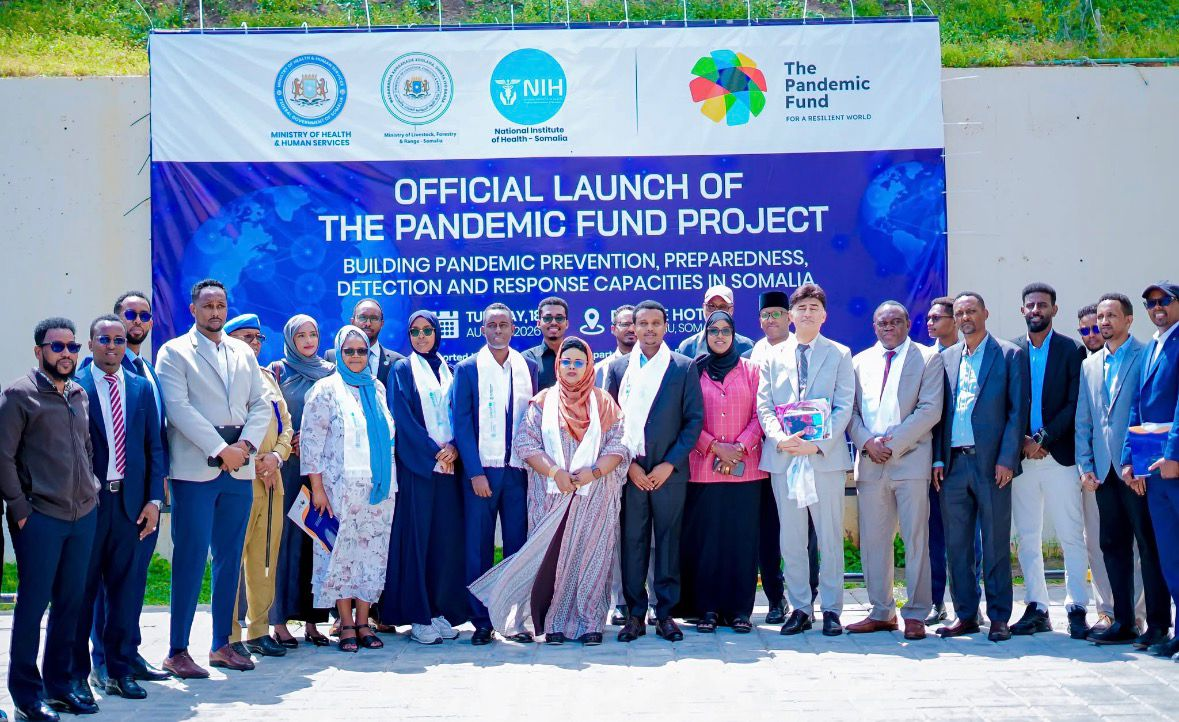
The launch of Somalia’s Pandemic Fund project is particularly timely as the country prepares for heavier rainfall associated with El Niño. Flooding, contaminated water and standing water can increase the risk of waterborne and vector-borne diseases, while displacement and disrupted access to health services can make outbreaks harder to detect and control.
By strengthening community-based surveillance, early-warning systems, laboratory testing, specimen transportation and the health workforce, the project can help Somalia identify emerging threats earlier and coordinate a faster response. Its One Health approach will also support the detection of diseases affecting both people and animals, helping protect lives and livestock-dependent livelihoods. However, as the project has only recently launched and is intended to build capacity through 2029, immediate preparedness for the October–December 2026 rains will depend on how quickly its resources and systems can be operationalised.
Find Somalis for Sustainability on Instagram, LinkedIn, Tiktok and X.