Maydi Newsletter: September 2026
Hello and welcome to this month’s edition of the Maydi Newsletter!
While we have no updates from Somalis for Sustainability or our community to share this month, we’re continuing to follow the latest news from across the Somali Horn. In this issue, we bring you the stories and developments shaping the region.
Thank you for reading!
What is the latest in the Horn?
Introducing Somalia Flood Watch 📊
Somalia Flood Watch is a project created by Zainab Bikar, a member of the Somalis in Tech community, to make flood information for the Jubba and Shabelle rivers easier for the public to access. Built for mobile use and available in Somali and English, it gives people a way to check information without registering or relying on technical bulletins. Zainab designed it with people living near the rivers in mind, as well as diaspora families checking conditions where their loved ones live.
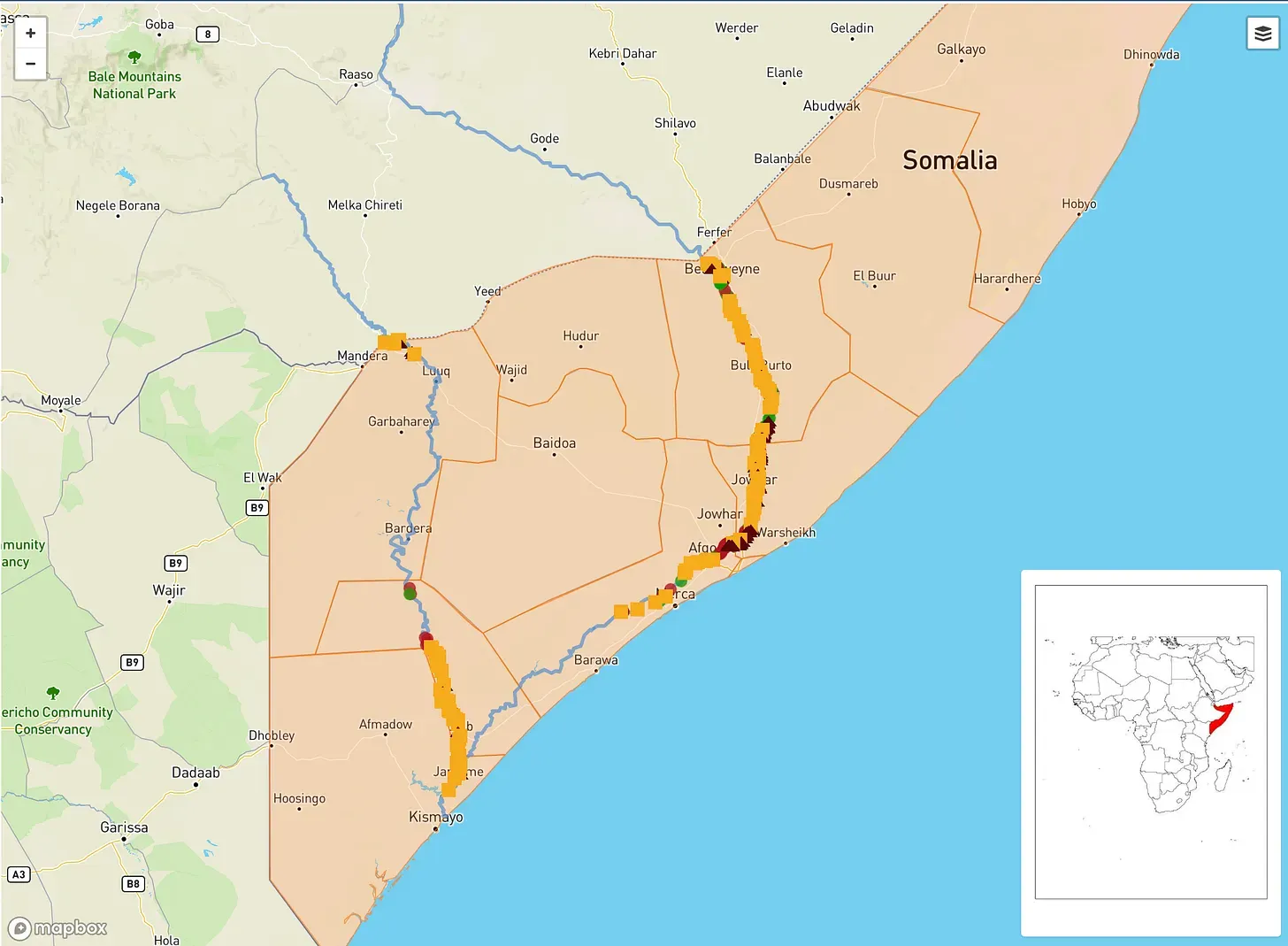
The project responds to a recurring challenge in Somalia: seasonal floods can force families from their homes, damage livelihoods and make communication difficult just when reliable information is most needed. By putting flood information in a more accessible format and language, Somalia Flood Watch offers a practical contribution to climate resilience, helping more people stay informed as conditions change.
To find out more about the project and the thinking behind it, read Zainab’s Community Spotlight: Making flood information easier to reach.
Somalia's President Address to the UN 🗣️
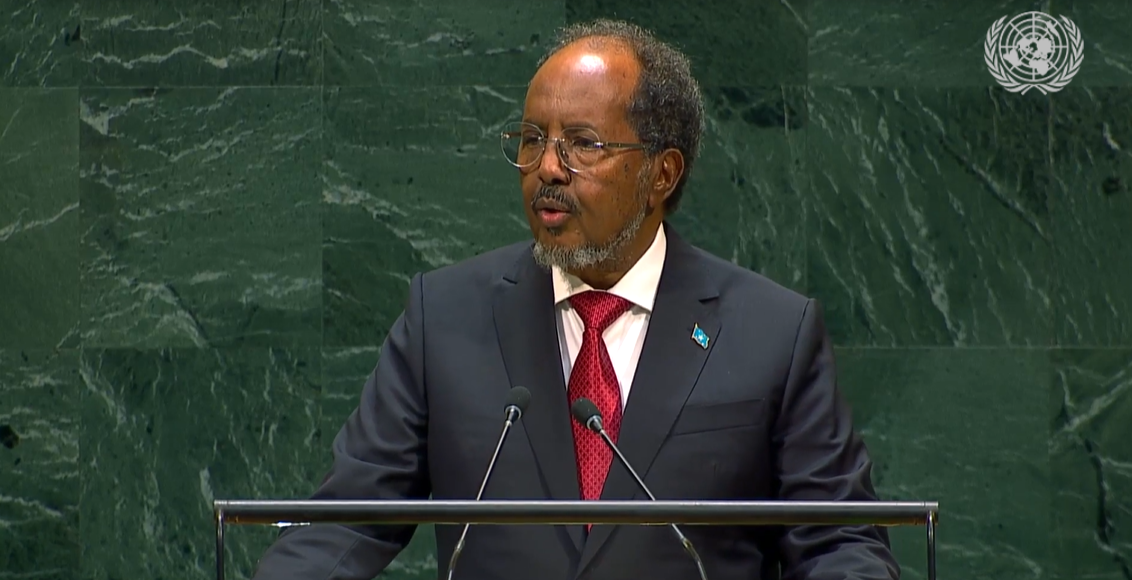
In his 24 September 2026 address to the UN General Assembly, President Hassan Sheikh Mohamud presented climate change as an immediate development challenge. He said it is damaging lives, livelihoods and public infrastructure, particularly in developing countries. He also cited figures indicating that more than 40% of the world’s population is vulnerable to climate impacts and that developing countries can spend more than 10% of GDP responding to them. His point was that this spending competes with investment in education and health.
He placed that argument alongside rising humanitarian needs and declining resources. For Somalia, he called for UN assistance to be better coordinated with national institutions, saying that fragmented projects and funding outside government budgets make it harder to plan, track results and build lasting capacity. Taken together, his remarks linked the need to respond to climate shocks with a broader request for support that Somalia can coordinate and sustain. The last sentence is an interpretation of the two parts of his address; he did not announce a specific new climate funding commitment in the remarks reported here.
Word of the Month: Fatahaad (Fa-ta-haad) Flooding
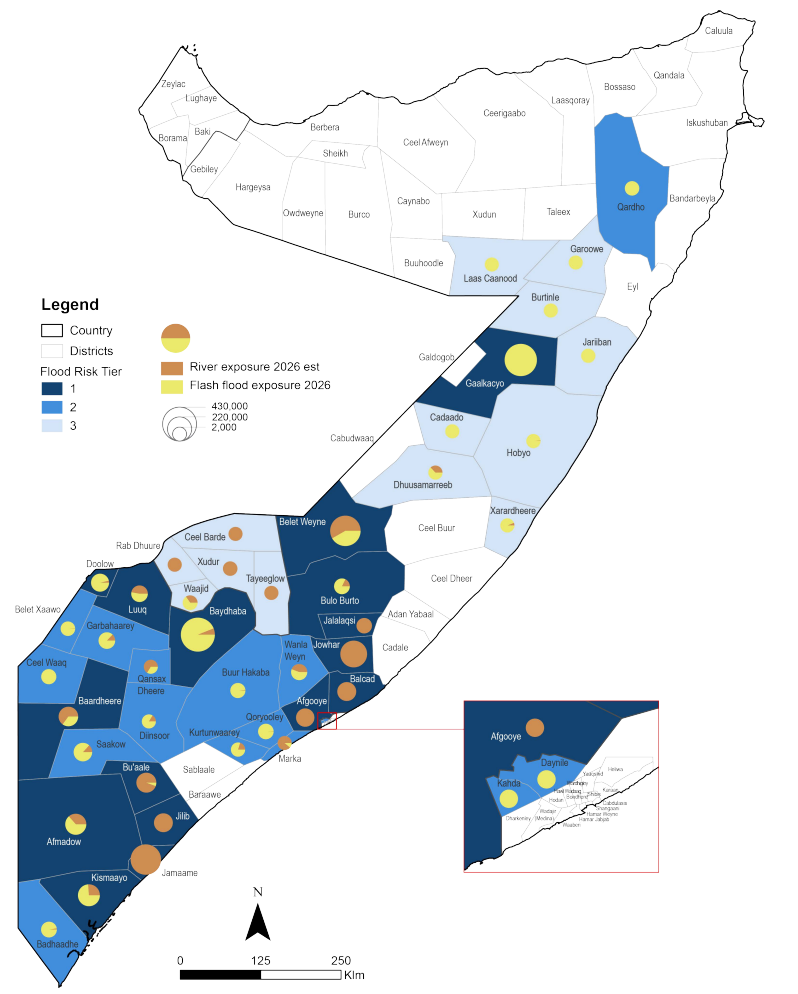
(Somalia: Estimated Population Exposed to Flood Risk source: OCHA)
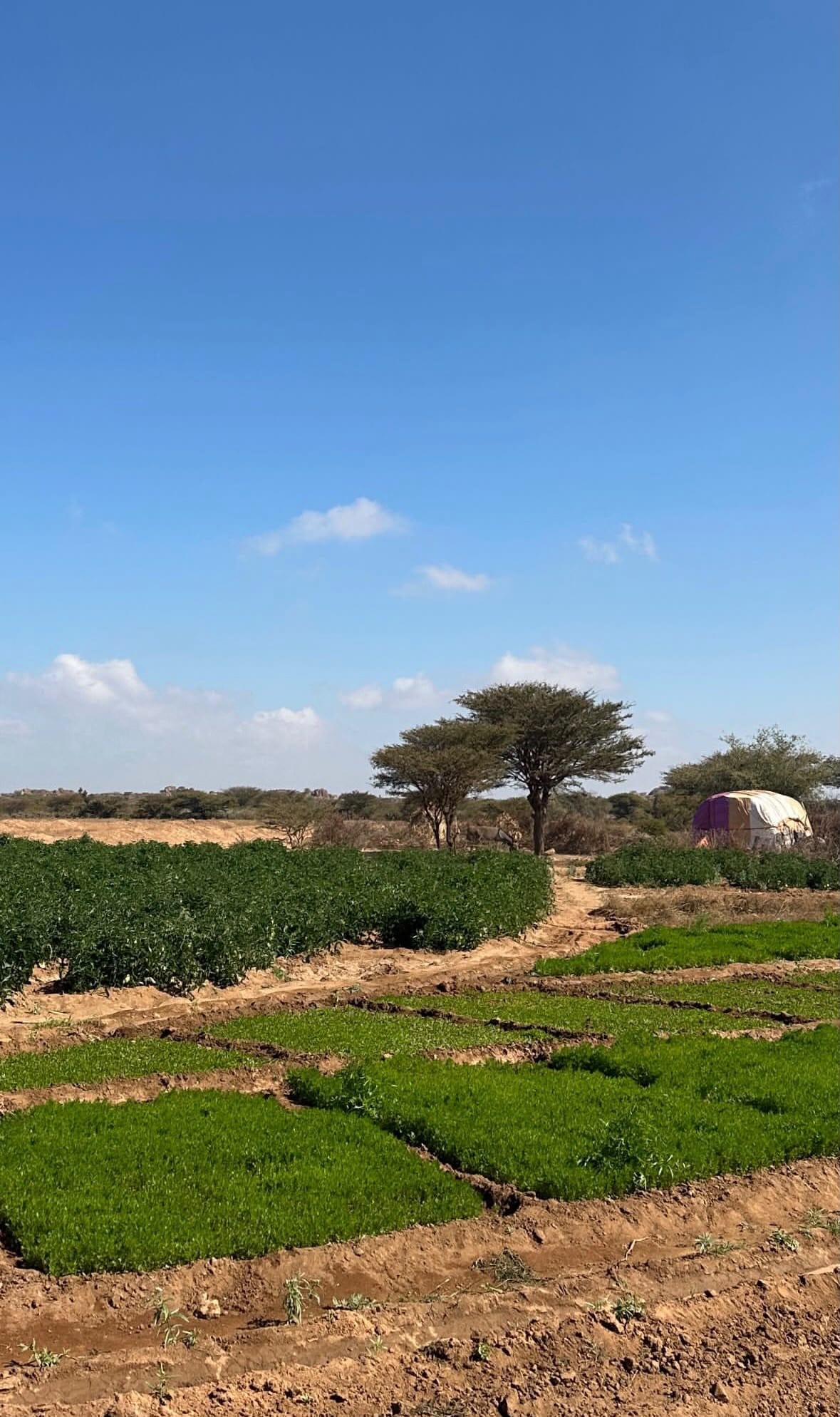
As Somalia approaches the October–December rainy season, fatahaad is a word on many people’s minds. Flooding can force families from their homes, damage crops and disrupt access to safe water and health services. This month’s stories look at two ways to prepare: strengthening disease surveillance through Somalia’s Pandemic Fund project, and making river flood information easier to reach through Zainab Bikar’s Somalia Flood Watch.
Find Somalis for Sustainability on Instagram, LinkedIn, Tiktok and X.