Maydi Newsletter: October 2026
Hello and welcome to this month’s edition of the Maydi Newsletter!
While there are no major updates to share from the Somalis for Sustainability team or the broader community this month, there have been significant developments across the region that we’re excited to spotlight. In this edition, we’re bringing you the latest news, progress and stories worth following.
We hope you enjoy this month’s newsletter and thank you for your continued support of Maydi!
What is the latest in the Horn?
🌍 Shifting Africa’s Centre
From 7–11 September 2026, Nairobi, Kenya, hosted the inaugural Pan-African Biennale, bringing together architectural practices, researchers and spatial practitioners from across all 54 African nations. Curated by Somali-Italian architect Omar Degan, the event explored the theme Shifting the Centre: From Fragility to Resilience, challenging Western-centric architectural narratives and placing African knowledge, experiences and aspirations at the forefront.
The programme centred on three themes: climate change, vernacular intelligence and African futures, exploring how traditional building knowledge, local materials and contemporary design can shape more sustainable and resilient environments. Moving beyond conventional exhibition formats, the Biennale aimed to foster meaningful dialogue, collaboration and knowledge-sharing across the continent.

For Somalia, the Biennale offers an opportunity to highlight its architectural heritage and climate-responsive building traditions, demonstrating how local knowledge can inform sustainable housing and urban development amid climate change, displacement and rapid urbanisation. Across Africa, the event challenges the dominance of external perspectives in architectural discourse, creating space for African practitioners to exchange knowledge and develop locally grounded solutions to shared challenges.
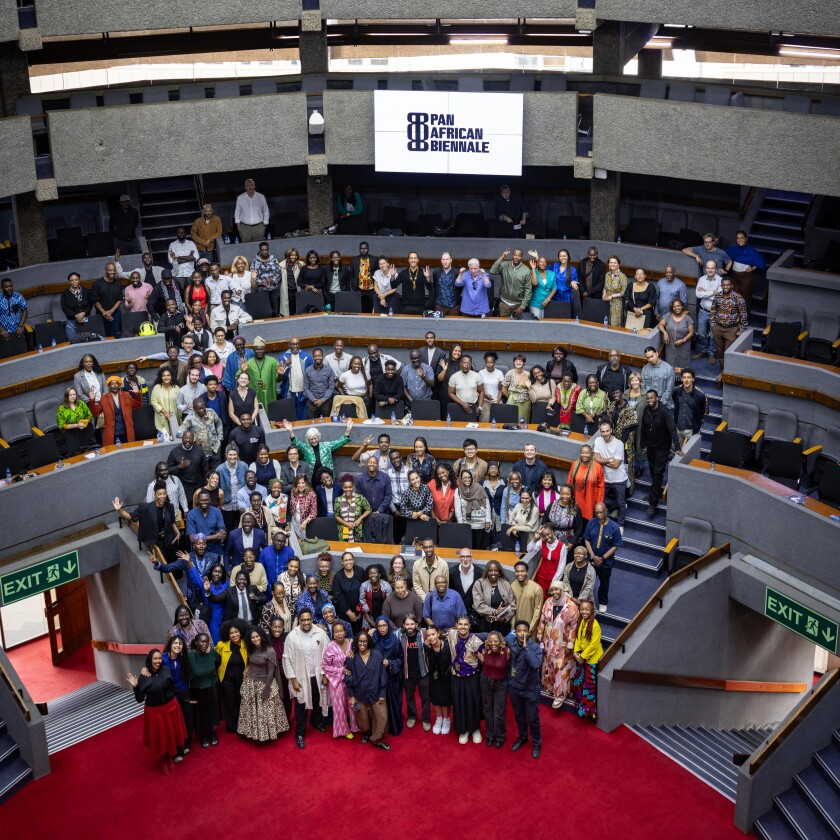
Ultimately, Shifting the Centre is about empowering Africans to shape their own built environments and futures, positioning the continent not simply as a recipient of global architectural ideas, but as a contributor to worldwide conversations on sustainability, resilience and urban development.
🌿 A New Chapter for Somalia’s Biodiversity
Somalia has reached an important milestone in biodiversity conservation by joining the Global Biodiversity Information Facility (GBIF) as its 71st national member and a Voting Participant. The announcement was made on 27 October 2026 during the 17th Conference of the Parties to the Convention on Biological Diversity (CBD COP17), held in Yerevan, Armenia. Held from 19–30 October 2026, COP17 is a major United Nations conference bringing together governments, scientists, environmental organisations and communities to address the global biodiversity crisis. Its purpose is to review progress towards the Kunming–Montreal Global Biodiversity Framework, a global agreement aimed at halting and reversing biodiversity loss by 2030. Countries are assessing their progress on protecting ecosystems, restoring habitats, conserving species and mobilising resources for nature.
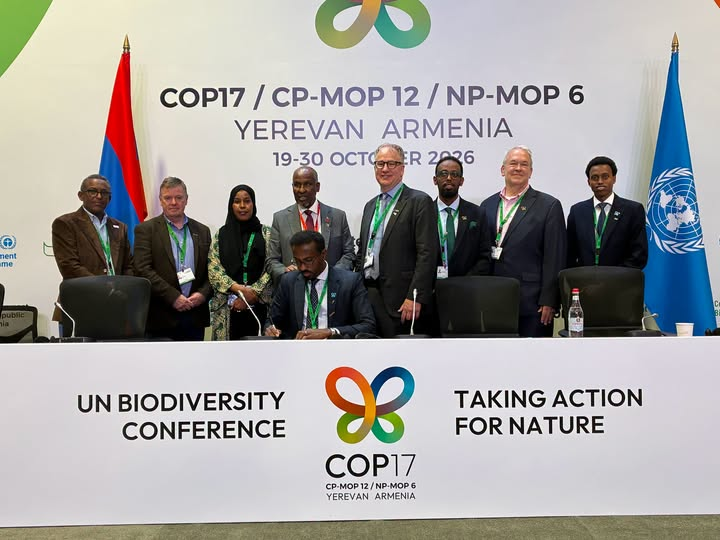
The GBIF is an international network that makes biodiversity data freely accessible, helping researchers, governments and conservation organisations understand where species live, how ecosystems are changing and where protection is needed. As a Voting Participant, Somalia gains a formal role in the network's governance and greater opportunities for scientific collaboration and national research capacity. For Somalia, this is particularly significant given its rich but increasingly threatened natural environment. With more than 3,300 kilometres of coastline, over 500 endemic species and an important position along the Asian–East African migratory bird flyway, the country has considerable biodiversity to document and protect. Improved access to reliable data can support conservation planning, habitat protection and evidence-based environmental policies.
🌧️ From Drought to Flood: East Africa’s El Niño Challenge
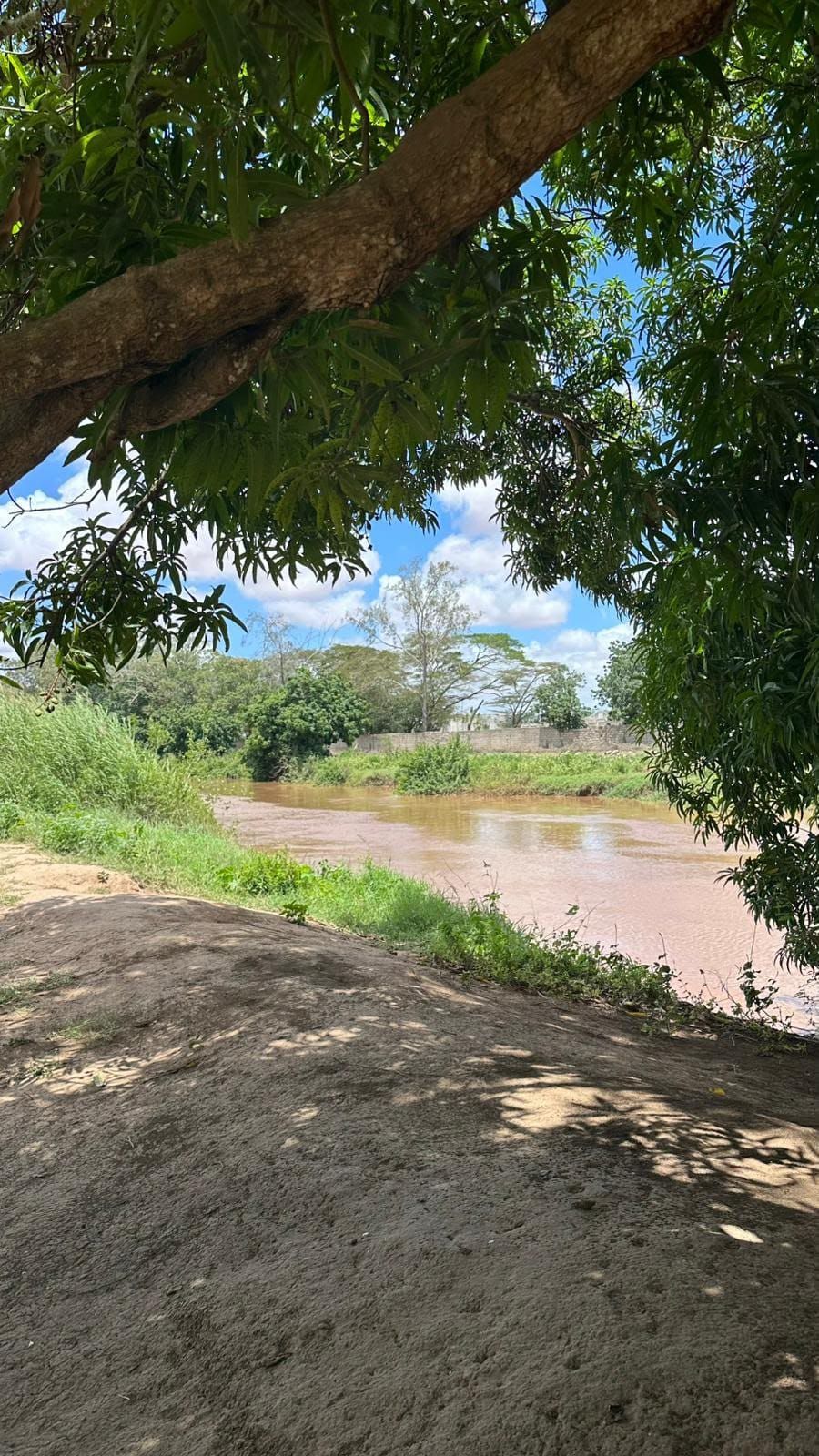
The Horn of Africa is facing the threat of a severe climate reversal, moving from prolonged drought to potentially devastating rainfall and flooding as El Niño strengthens. According to the UNDP, communities across Somalia, Ethiopia and Kenya are particularly vulnerable after successive failed rainy seasons have depleted water supplies, damaged crops and weakened livestock. In Somalia, early October rainfall saw Bardheere record 93mm in just five days, while rising Shabelle River levels raised concerns about flooding in surrounding communities. The combination of El Niño and a positive Indian Ocean Dipole is expected to bring above-average rainfall across parts of the region, increasing the risk of widespread flooding.
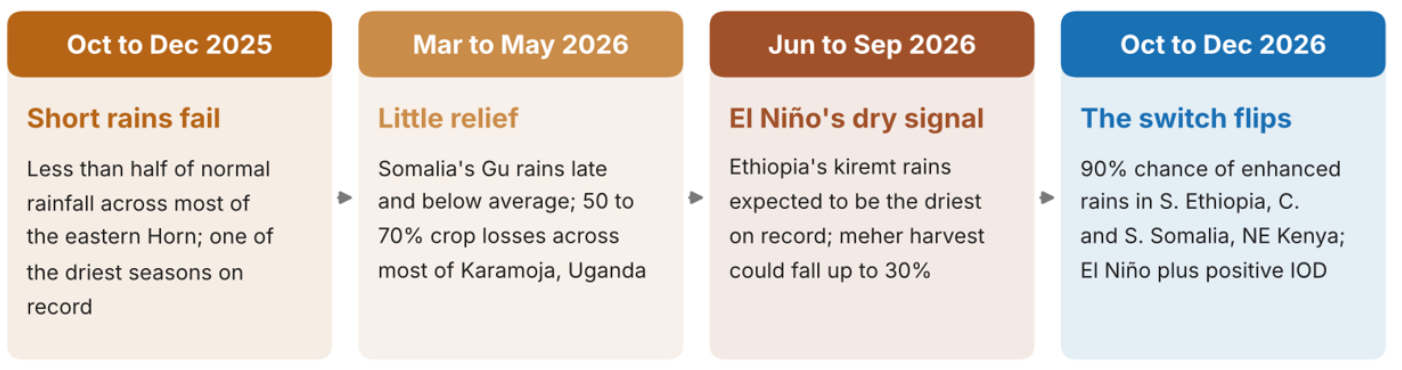
However, the preceding drought has made the potential impacts of flooding even more severe. Degraded soils absorb less water, increasing surface runoff and erosion, while displaced families living in informal settlements and flood-prone areas face heightened exposure. Flooding also raises the risk of disease outbreaks, including cholera and Rift Valley fever, particularly among vulnerable communities and weakened livestock. For Somalia, where millions are already displaced and humanitarian resources remain severely constrained, the prospect of simultaneous drought and flooding presents an additional challenge.
The UNDP emphasises that preparation, early warning systems and regional cooperation are essential to reducing the impact of these climate extremes. Somalia has approved a National El Niño Preparedness Plan and is working towards expanding nationwide multi-hazard early warning coverage by 2030. The article also highlights the importance of sharing weather forecasts and river-flow data across borders, maintaining essential services and investing in anticipatory action before disasters strike. Ultimately, building climate resilience requires moving beyond emergency responses towards long-term preparedness, ensuring communities can withstand both drought and flooding.
Word of the Month: Ilaalin (I-laa-lin) Protection
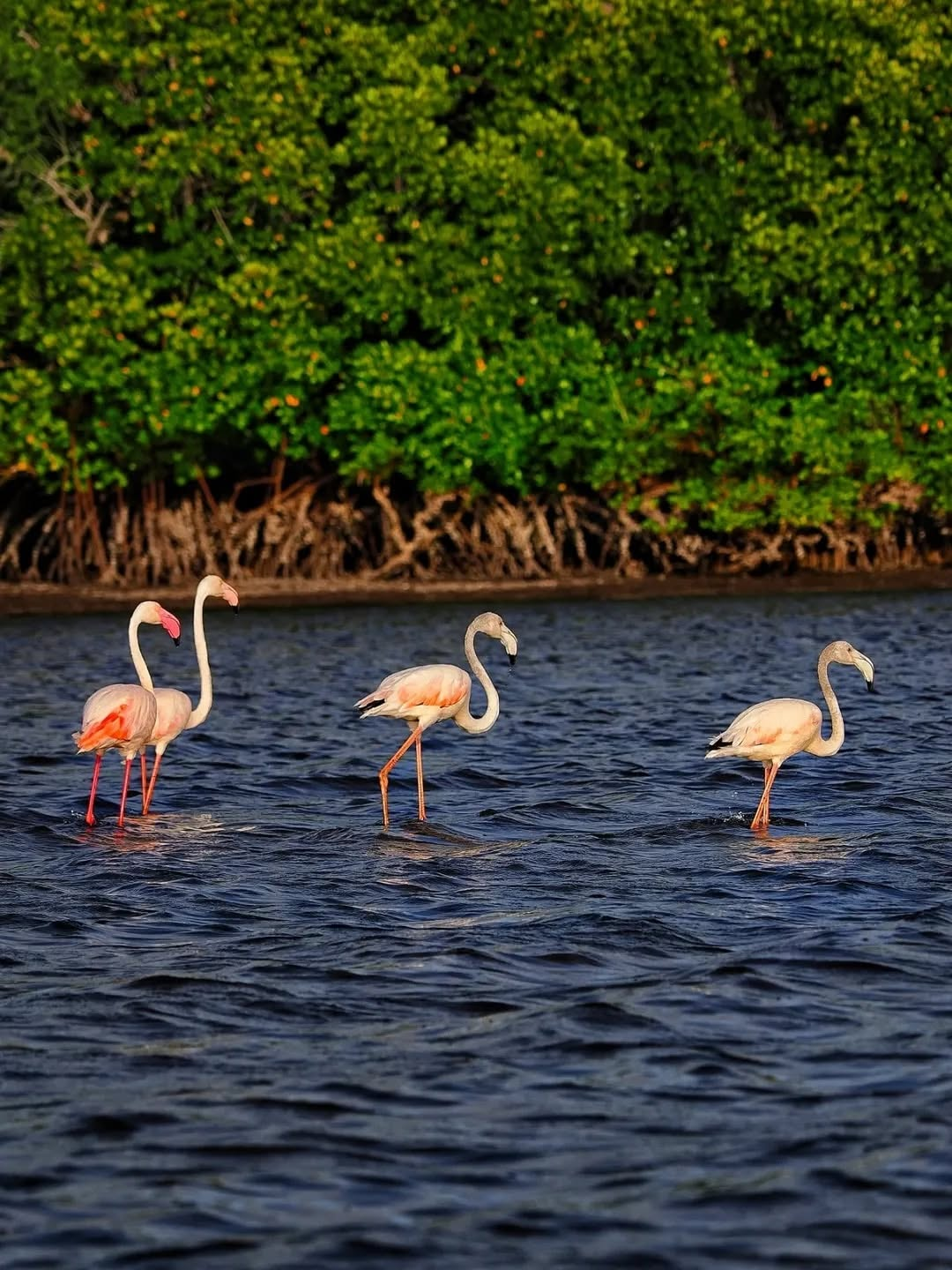
As Somalia faces growing environmental pressures, ilaalin is a reminder of the importance of protecting what sustains us. From conserving biodiversity and safeguarding natural habitats to preparing communities for climate extremes, protection is central to building a more resilient future. This month’s stories explore how African knowledge, biodiversity research and climate preparedness can help protect Somalia’s natural environment and strengthen its capacity to adapt to a changing climate.
Find Somalis for Sustainability on Instagram, LinkedIn, Tiktok and X.